U.S. Coast Guard Visit to Rauma and SAMK Maritime Simulators
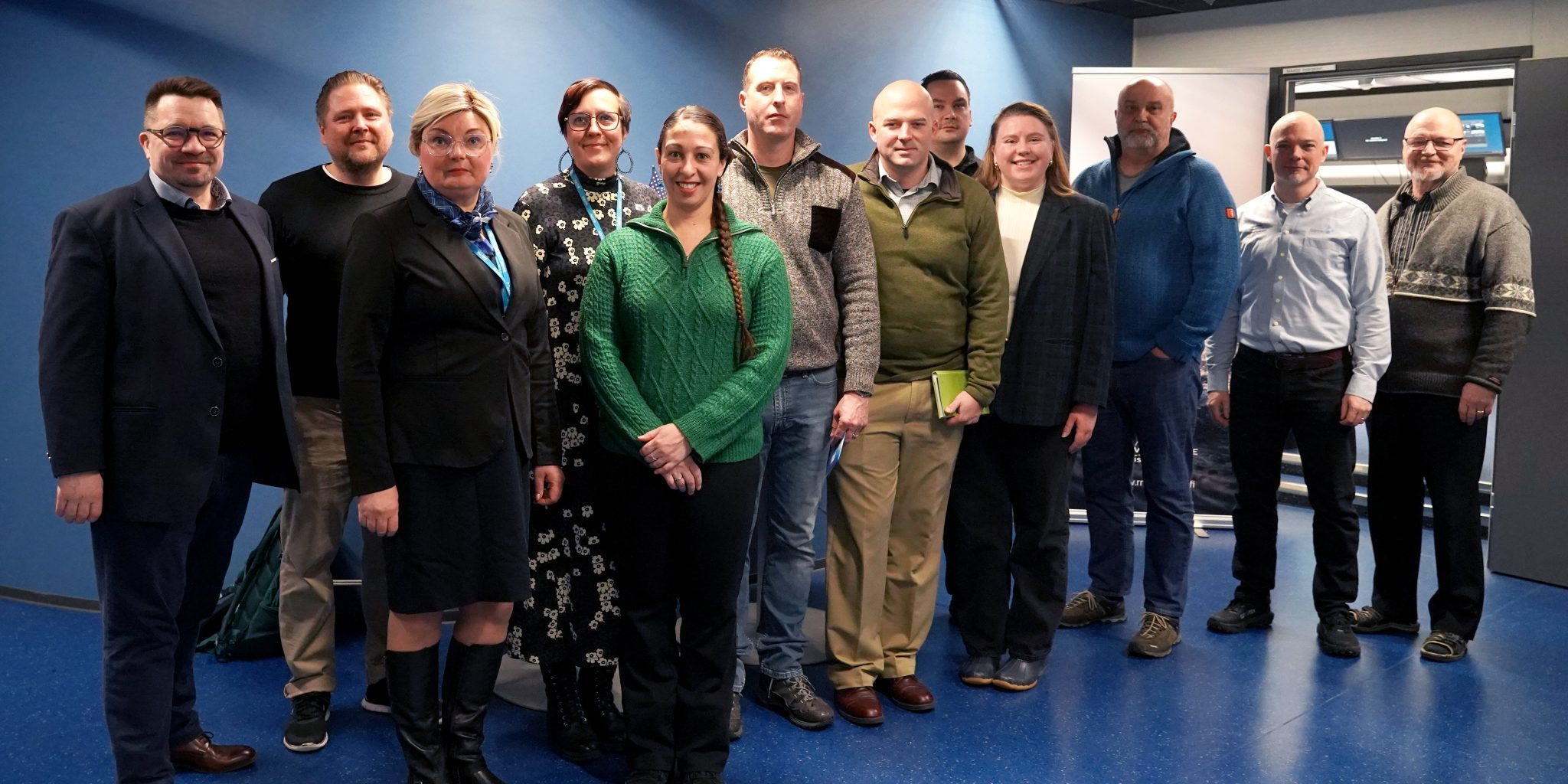
In early February, Satakunta University of Applied Sciences (SAMK) and its Maritime Logistics Research Center hosted a delegation from the United States Coast Guard (USCG) in Rauma, Finland. The two-day visit combined Finnish maritime heritage with forward-looking professional dialogue on simulator-based training, ice navigation, and digital maritime solutions.
Finnish Maritime Heritage in Old Rauma
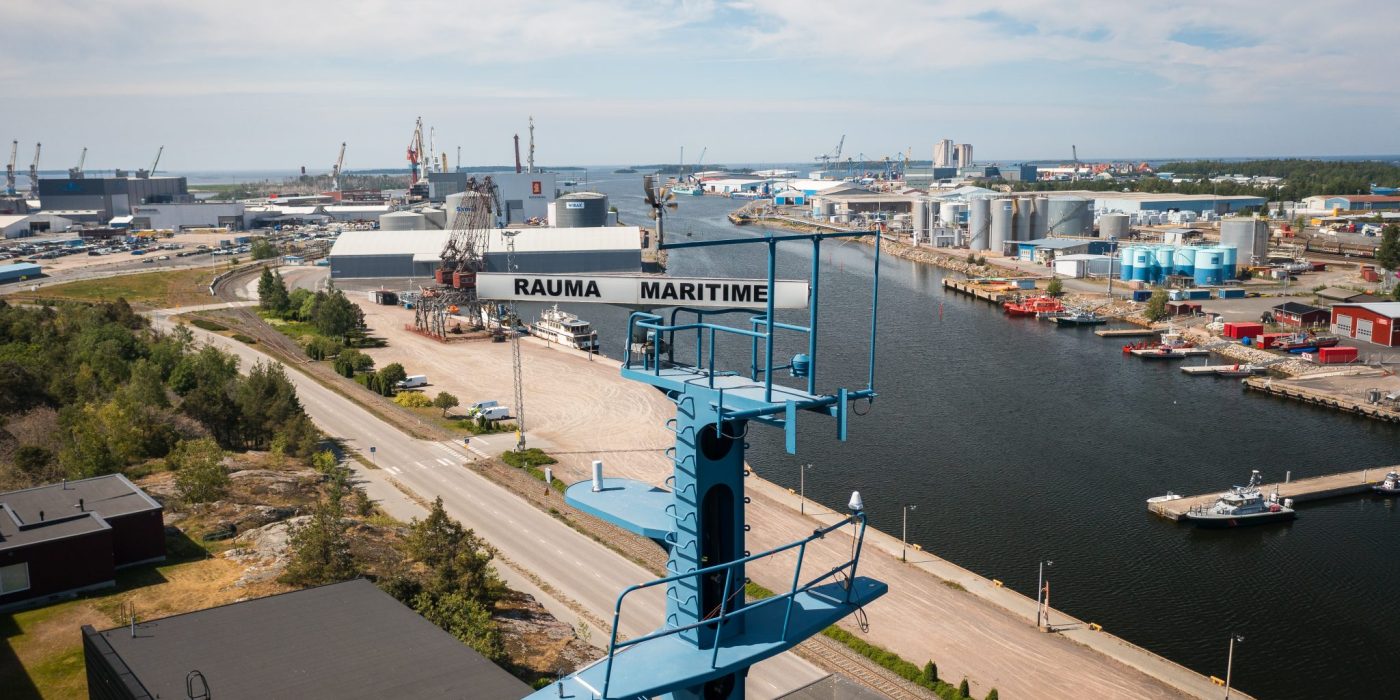
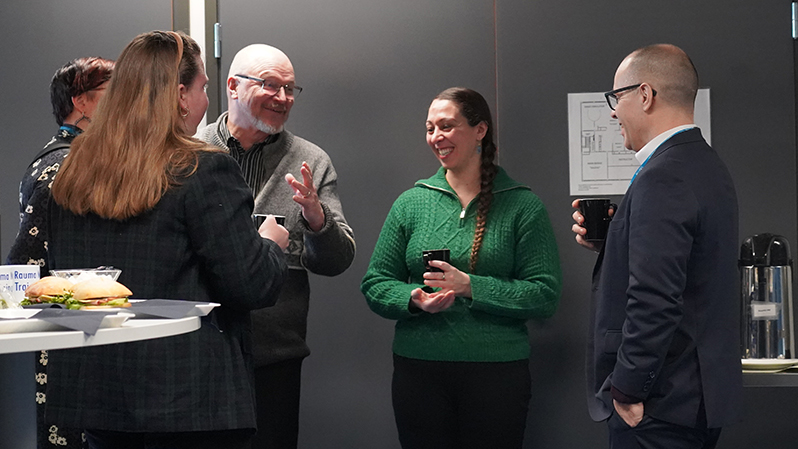
The visit began on Thursday, 5 February, with a welcome dinner followed by a guided walk through Old Rauma, a UNESCO World Heritage Site and one of the best-preserved wooden towns in Northern Europe. The evening provided an informal setting for discussion and networking, while introducing the guests to Rauma’s long maritime history, seafaring traditions, and coastal culture. The programme offered valuable context for understanding Finland’s strong maritime identity and its long-standing expertise in cold-region maritime operations.
Intensive Simulator Interaction at SAMK Rauma Campus
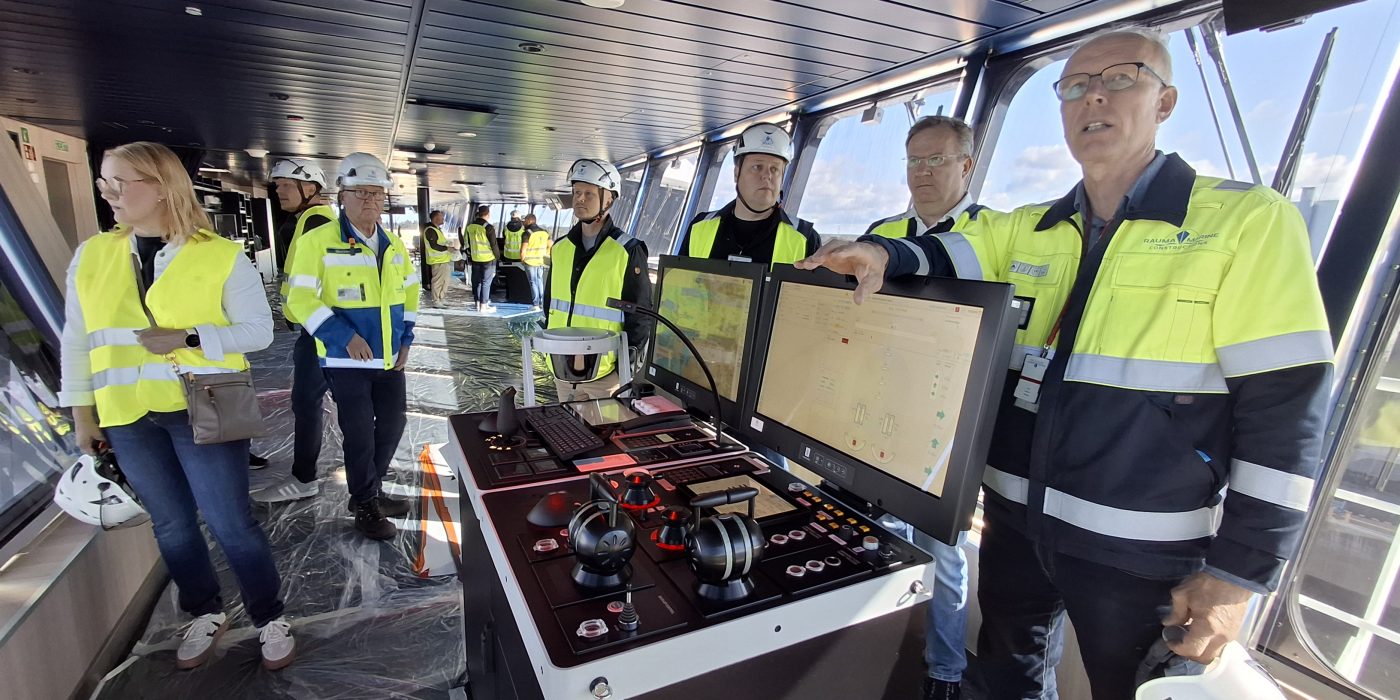
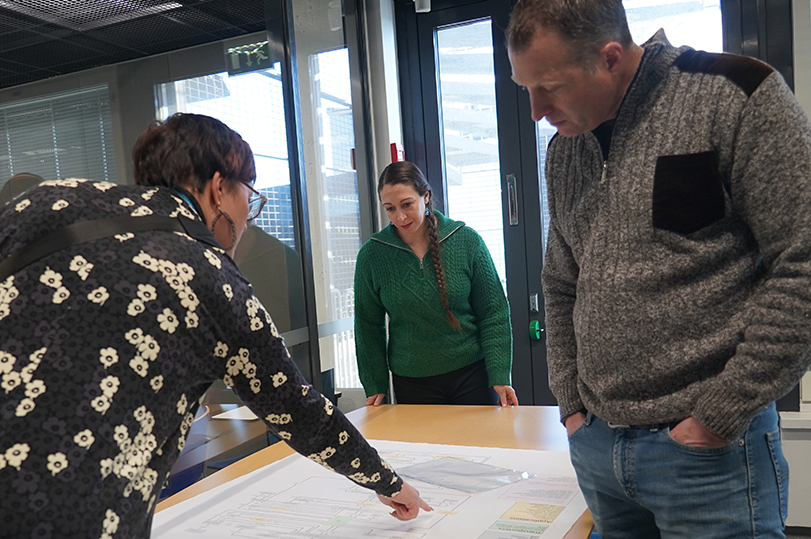
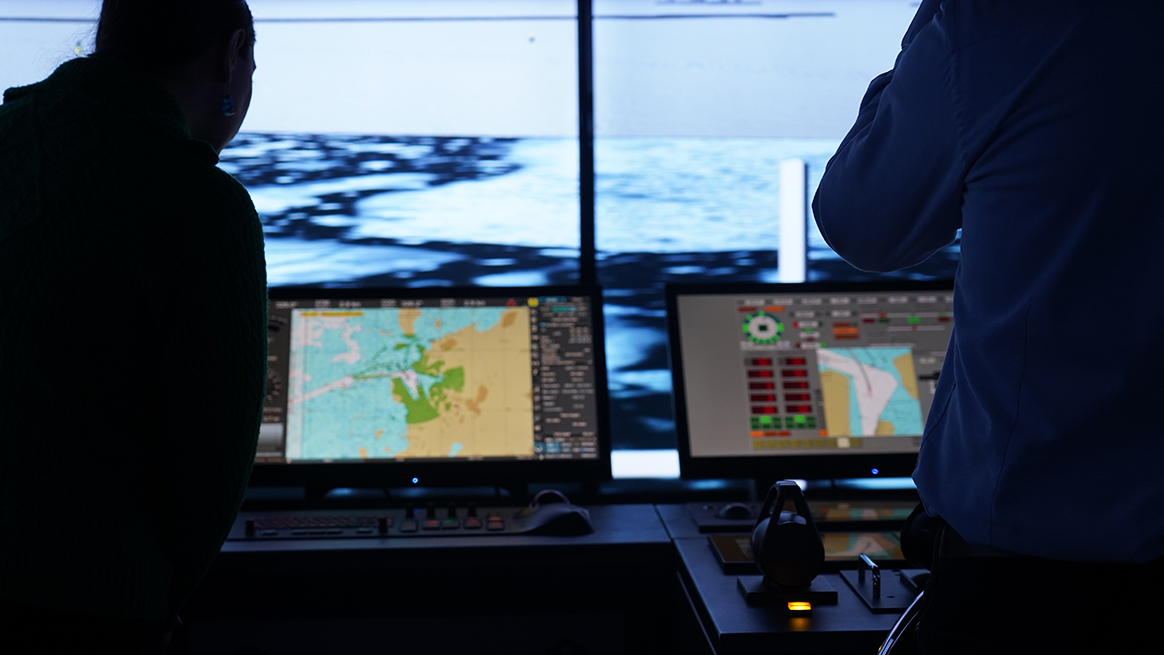
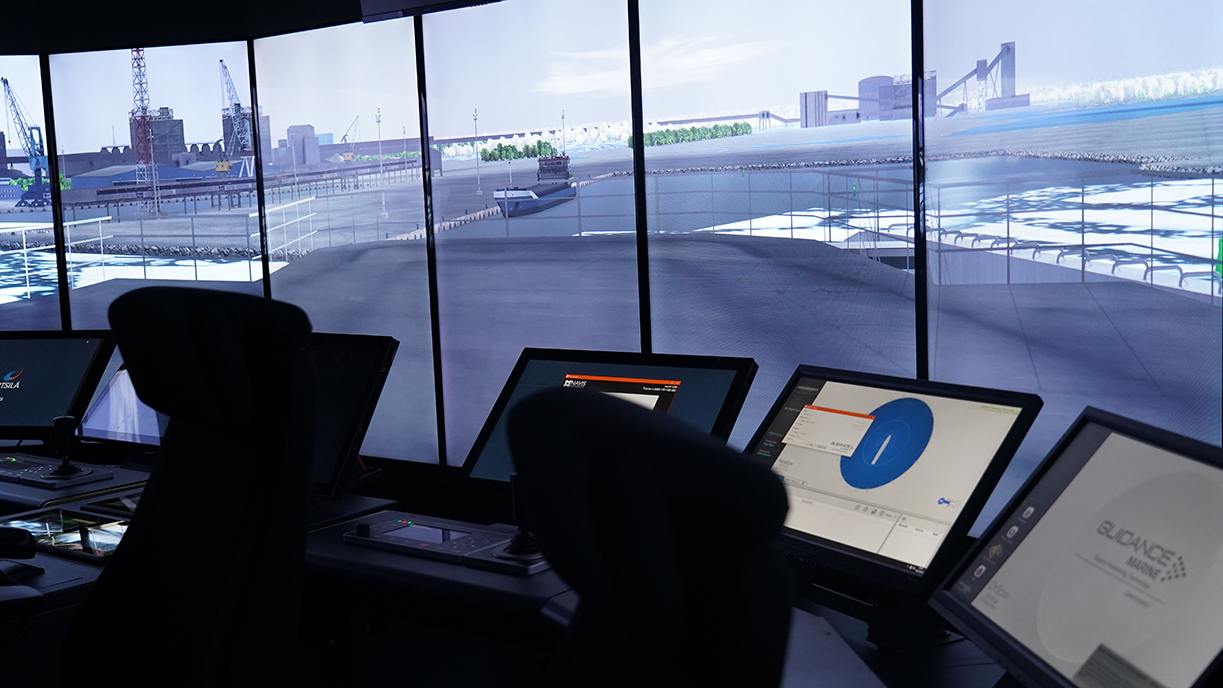
On Friday, 6 February, the programme continued at SAMK’s Rauma campus, home to the university’s modernized maritime simulator facilities. The day focused on intensive technical and pedagogical interaction, enabling hands-on use of simulator environments and in-depth discussions with SAMK experts.
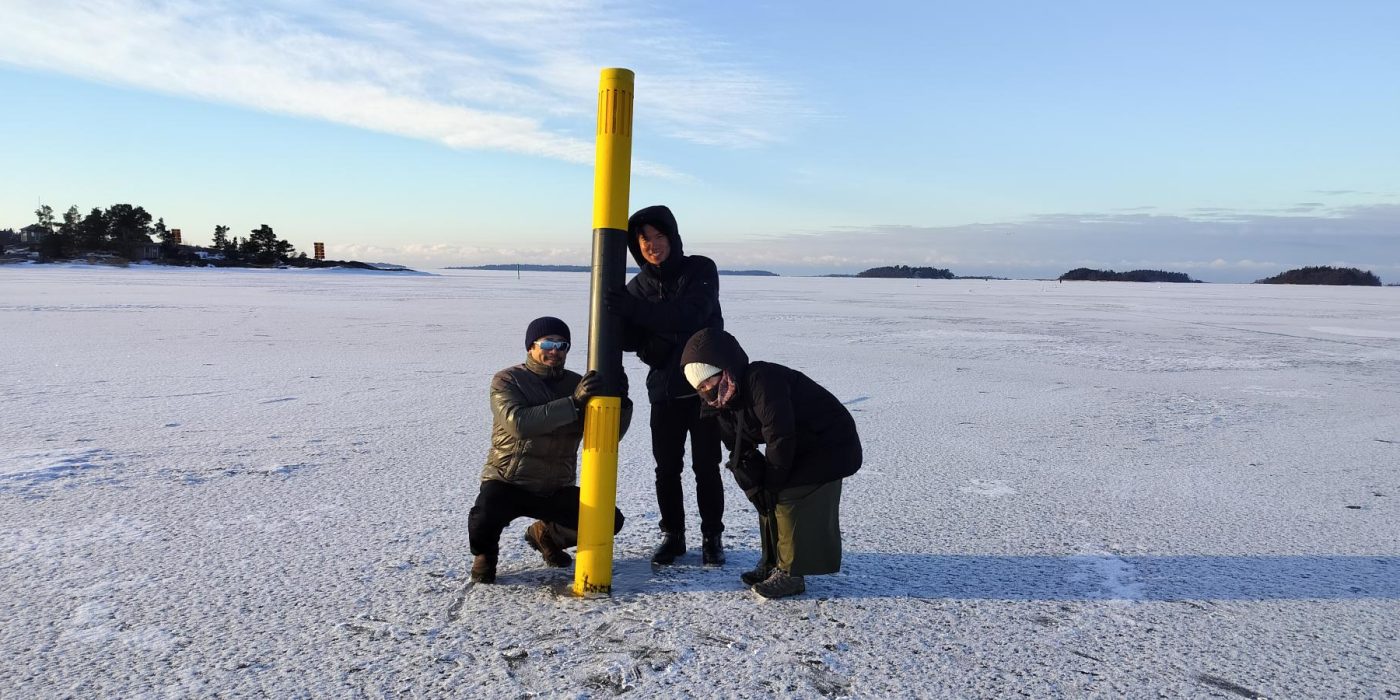
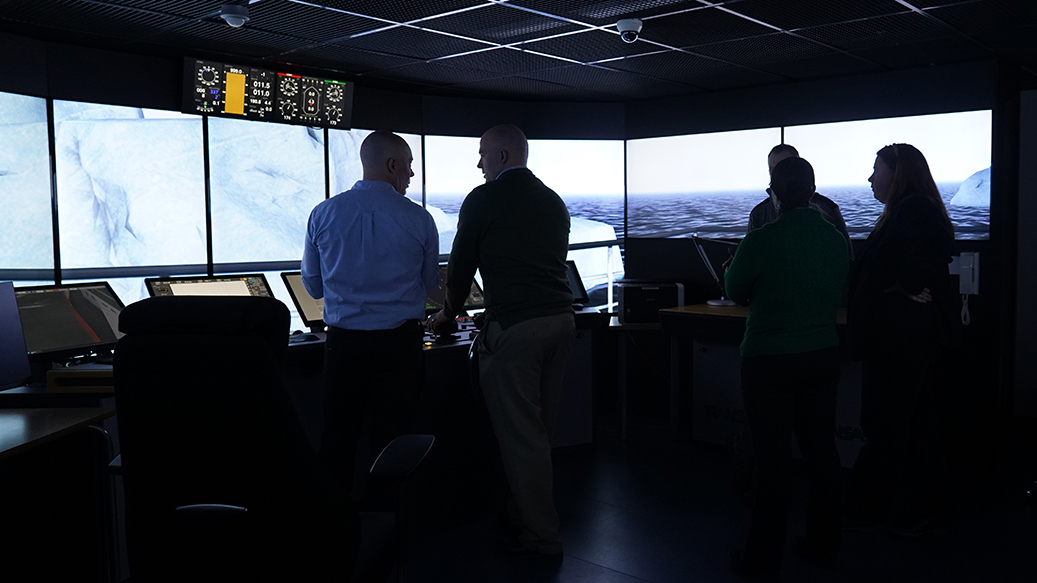
A key theme of the visit was ice navigation, reflecting the shared interests of Finland and the United States in Arctic and sub-Arctic operations, winter navigation, and operational safety in ice-covered waters. Discussions focused on how simulator-based training supports competence development in ship handling, situational awareness, decision-making, and risk management under demanding ice conditions.
Simulator Capabilities and Arctic Navigation Focus
The delegation explored the capabilities of SAMK’s simulator infrastructure, with particular emphasis on its suitability for training and research related to Arctic and cold-region maritime operations. Discussions focused on how simulator environments can replicate challenging conditions such as ice-covered waters, reduced visibility, extreme weather, and complex operational scenarios typical of northern sea areas.
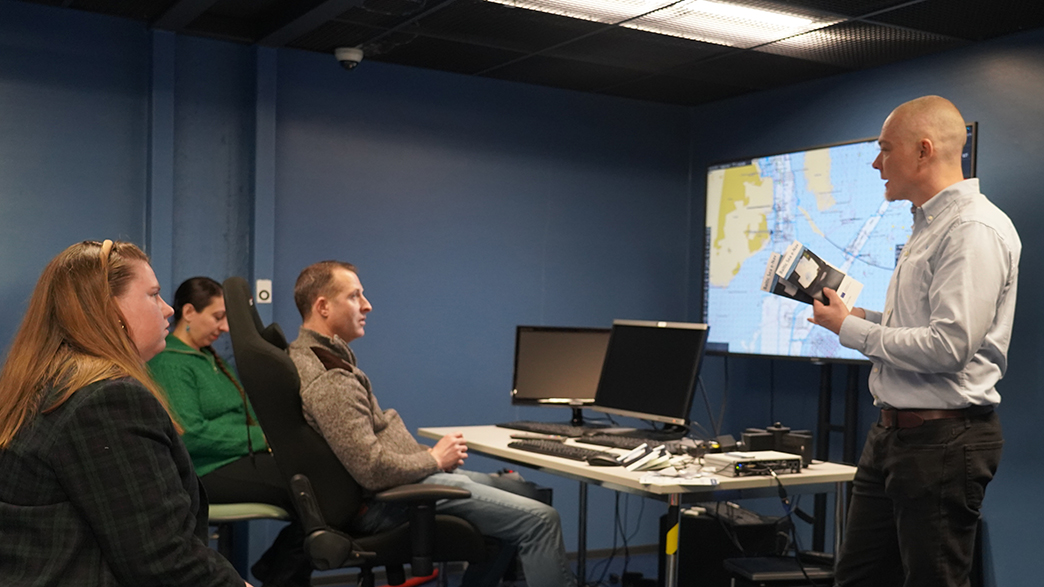
While next-generation digital navigation solutions were briefly discussed, the main emphasis remained on how simulators support Arctic navigation competence, including route planning in ice, ship handling in constrained conditions, bridge team cooperation, and decision-making under environmental stress. These aspects are increasingly relevant as maritime activity in northern regions continues to grow.
Through demonstrations and expert dialogue, the participants examined how simulators can support both current operational needs and future requirements related to digital navigation, data-driven decision support, and evolving international standards.
Facilities Visit and Training Needs Discussion
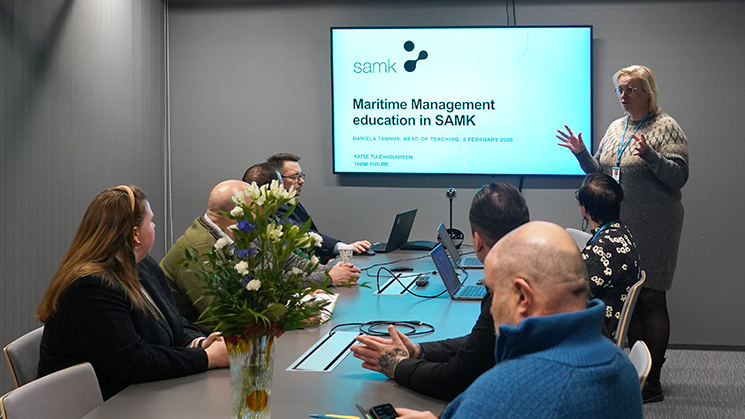
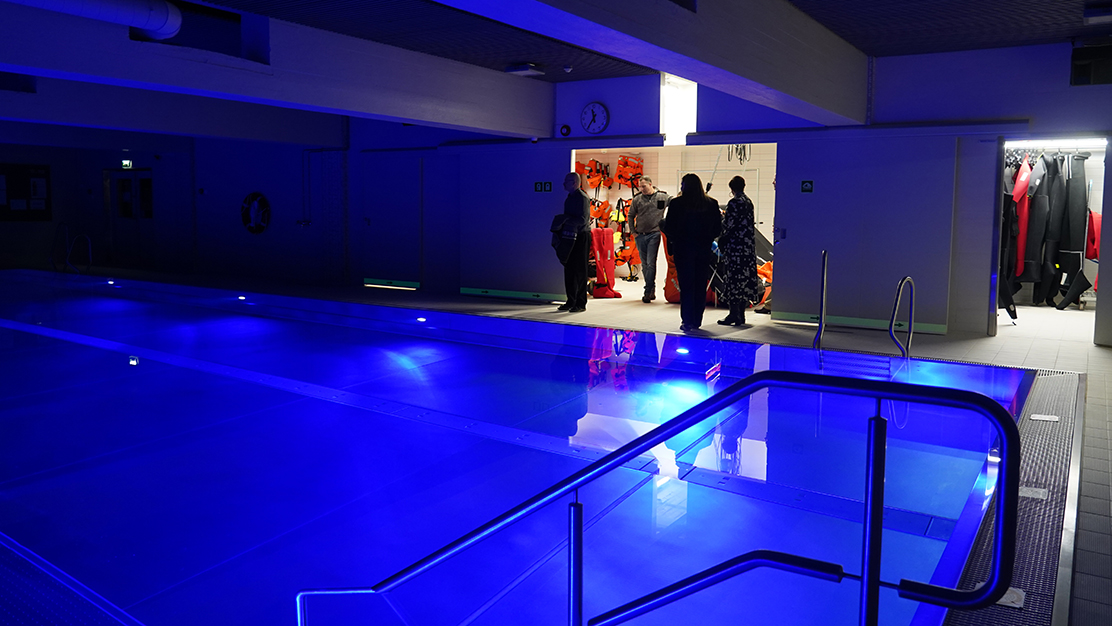
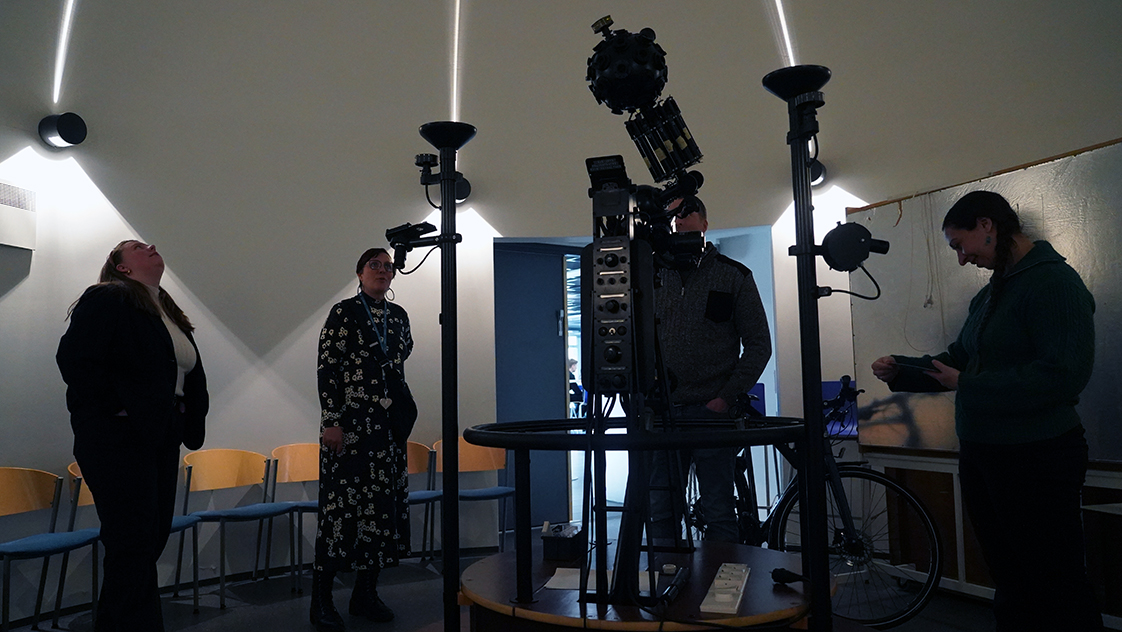
In addition to simulator sessions, the USCG delegation toured the Rauma campus premises, gaining a comprehensive overview of SAMK’s maritime education and research environment. The visit included discussions on current and future training needs, focusing on how simulator-based solutions can respond to changing operational requirements, regulatory developments, and workforce competence demands.
The open exchange of perspectives strengthened mutual understanding and highlighted opportunities for future cooperation, particularly in ice navigation training, simulator development, and advanced maritime education.
Strengthening International Cooperation
The visit underlined the importance of international collaboration in maritime education and training. By combining cultural insight, practical simulator interaction, and strategic discussion, the USCG visit to Rauma highlighted SAMK’s role as a hub for advanced simulator-based maritime competence and reinforced a shared commitment to safety, innovation, and operational excellence in challenging maritime environments.