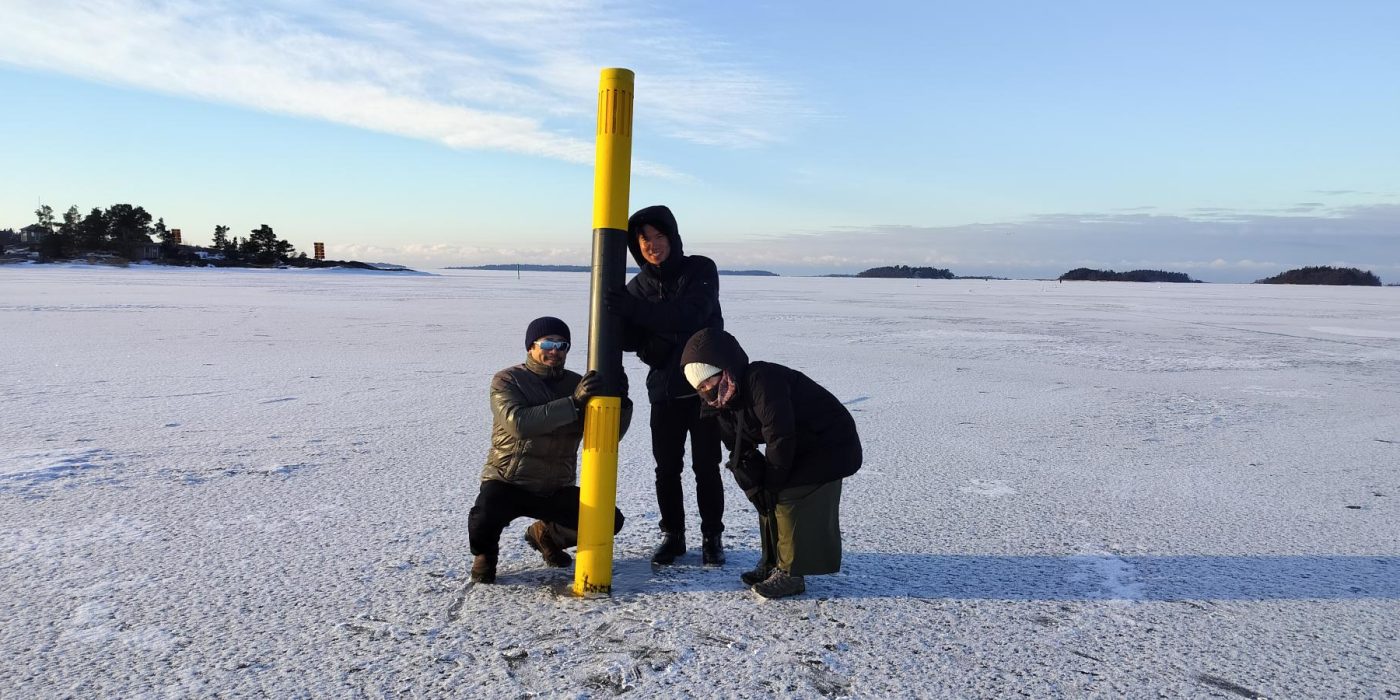
At the Forefront of Arctic Expertise: The Power of Working Together at Maritime Network Day
Arctic expertise is more than a skill, a technology, a professional, or a research project. It is a whole that emerges only when knowledge, experience, and the will to act together meet. The Maritime Network Day in Rauma showed that this whole is stronger in Finland than we may often remember.
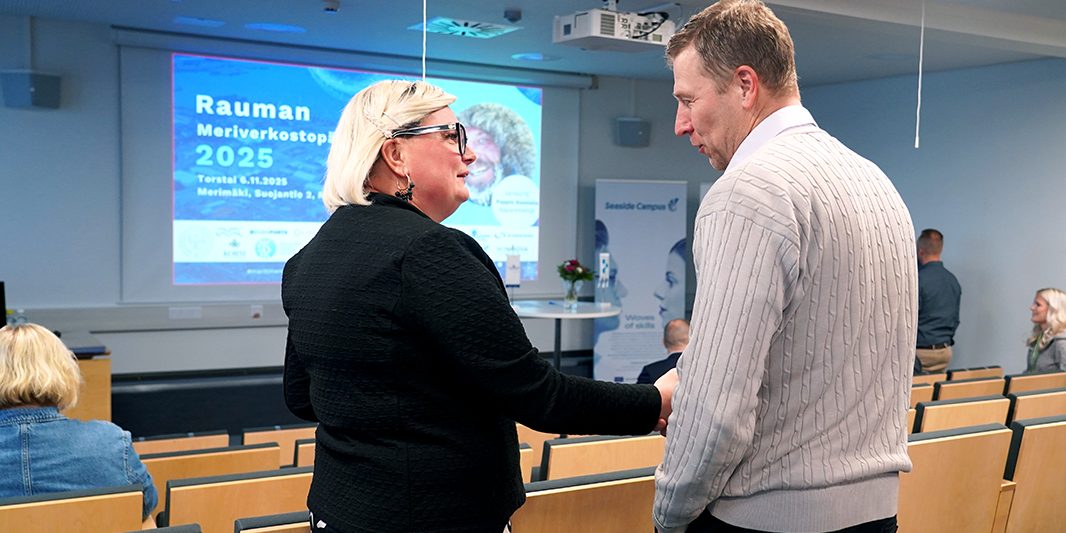
Finland at the heart of Arctic change
When experts in the field gathered, one insight repeated itself across various speeches: Finland is in a unique position. We are a country whose ports all freeze over and whose security of supply rests upon the sea. We are a point of geopolitical interest in a region where great power politics shift faster than ice can form.
Yet there was no gloom in the discussions—only a realistic understanding that Arctic expertise is one of Finland’s strongest competitive and survival advantages. This expertise is not just about technology or operational skill; it is a complete mindset: the ability to operate in conditions where every detail can be crucial.
Making collaboration visible: a partnership for the future
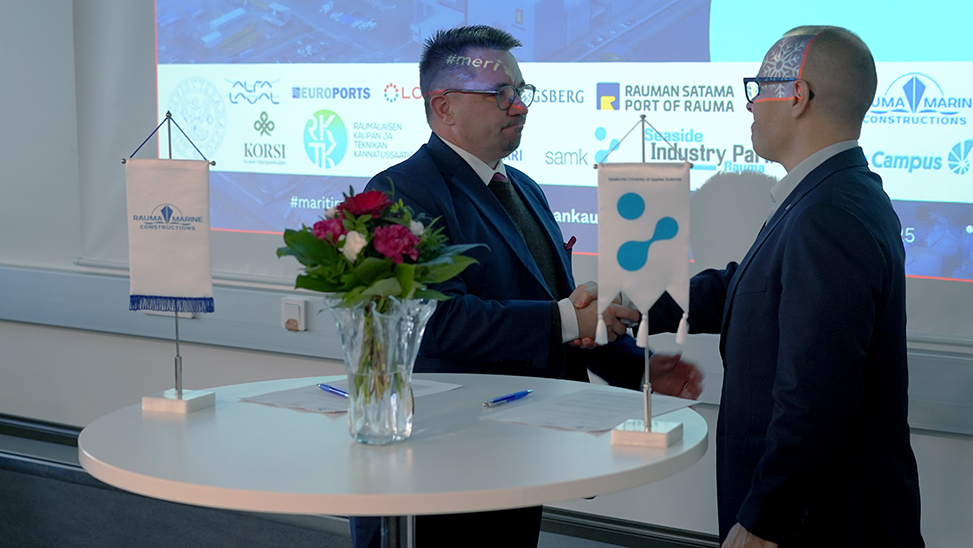
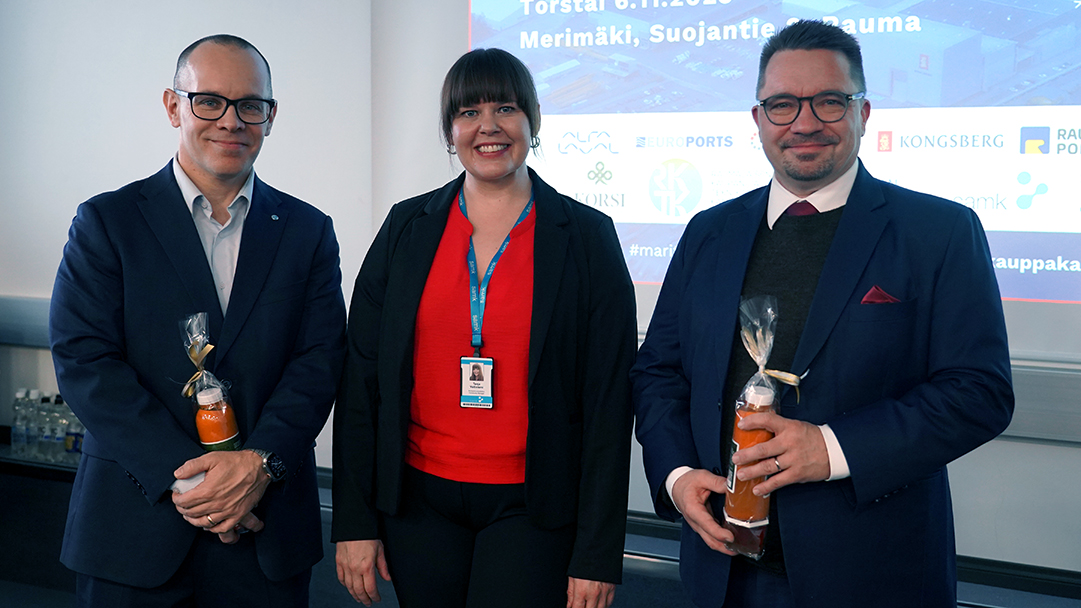
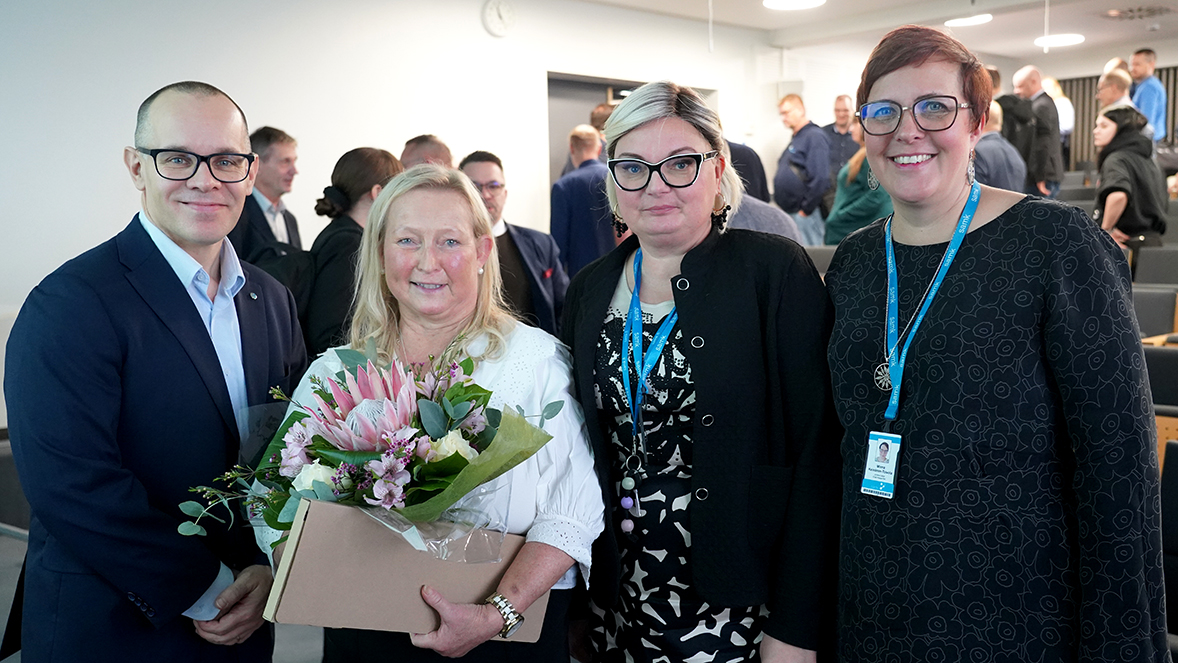
One of the day’s most impactful moments was the signing of the partnership agreement between Rauma Marine Constructions Ltd. and Satakunta University of Applied Sciences Ltd. The agreement formalizes a long-standing fruitful collaboration but, above all, opens the door to deeper joint work in both research and education.
This moment captured the essence of the entire event. Strengthening Arctic expertise requires partnerships that combine practical shipbuilding knowledge, learning, technological development, and researched knowledge. Partnership is not just a contract. It is a shared promise to build the future together.

Arctic expertise emerges from knowledge, experience, and action
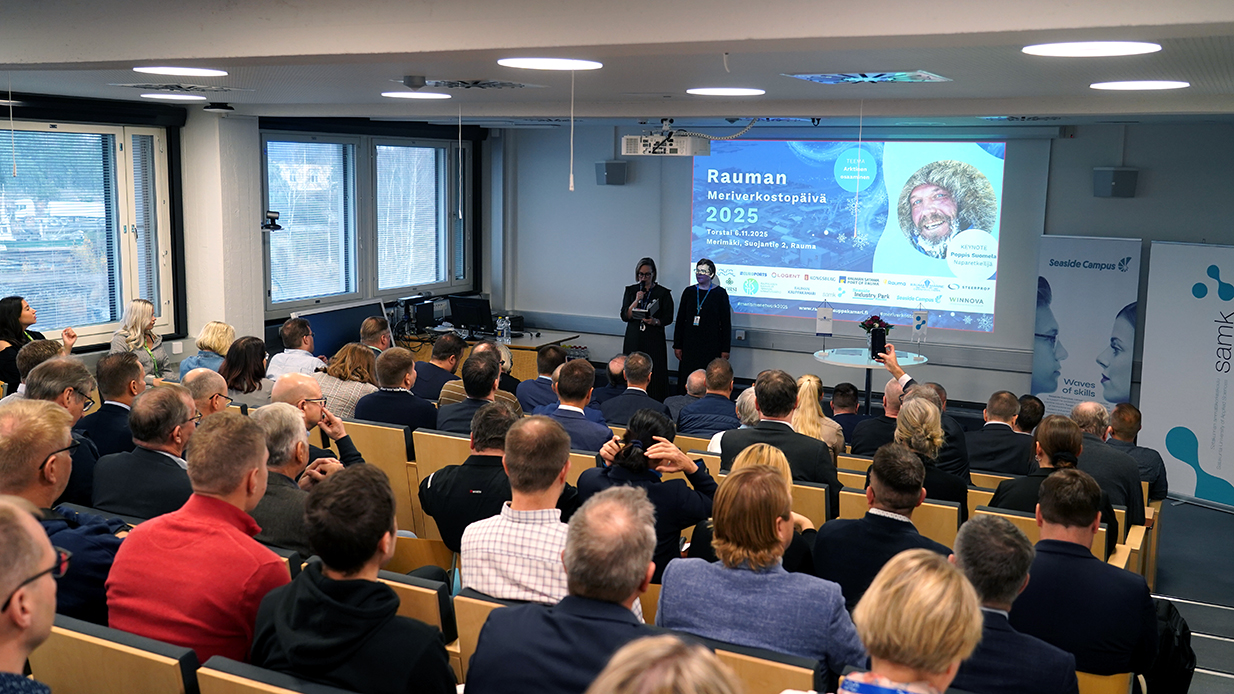
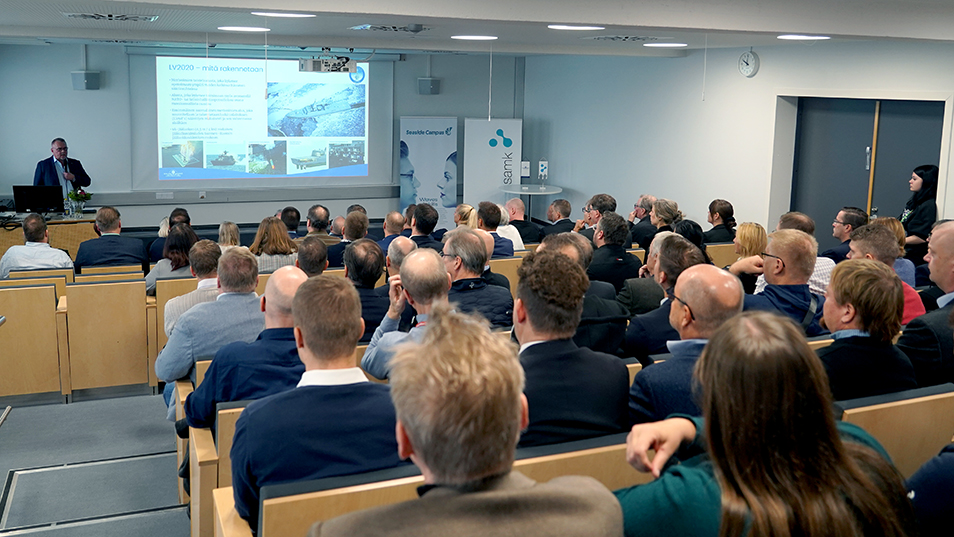
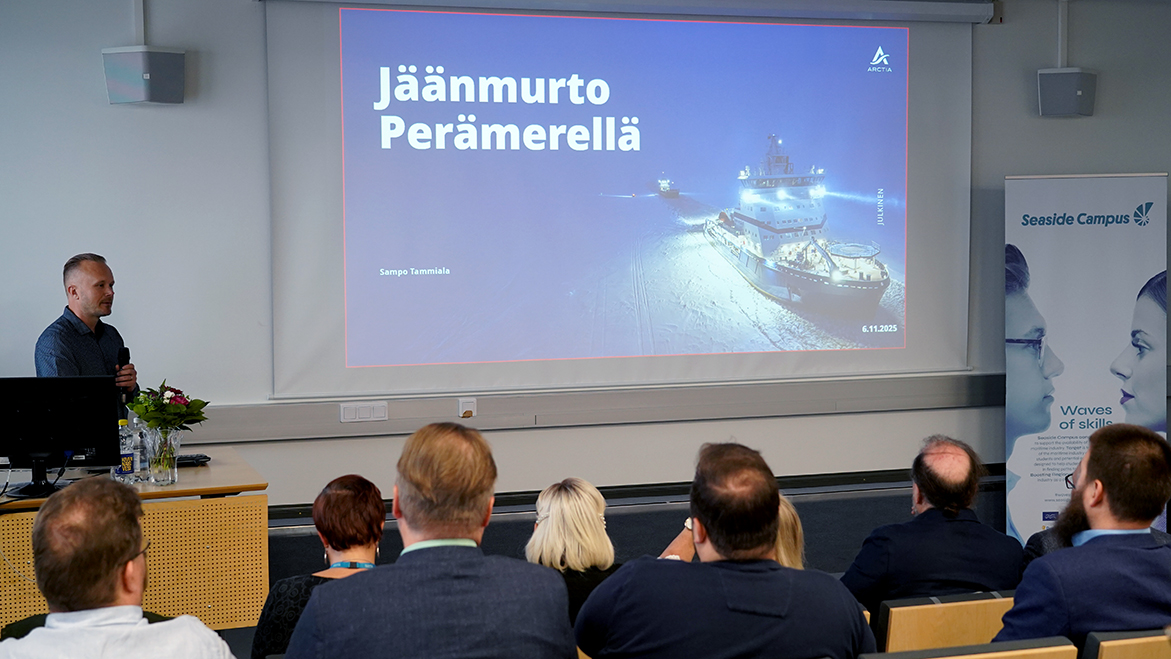
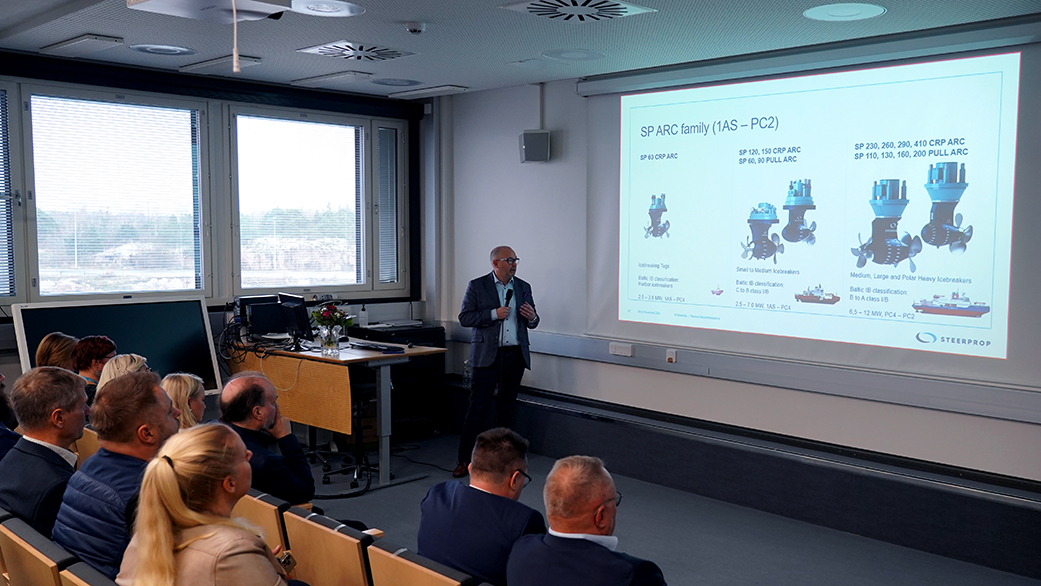
Each speaker at the Maritime Network Day shared their perspective on what Arctic expertise means. Military analyses reminded us that the operational environment is changing. Shipbuilding and design perspectives showed how vessels are built to withstand tomorrow’s conditions. Experiences from icebreakers illustrated how the ice itself is changing. Meanwhile, the research forum highlighted the methods and systems that transform this knowledge into action, safety, and efficiency.
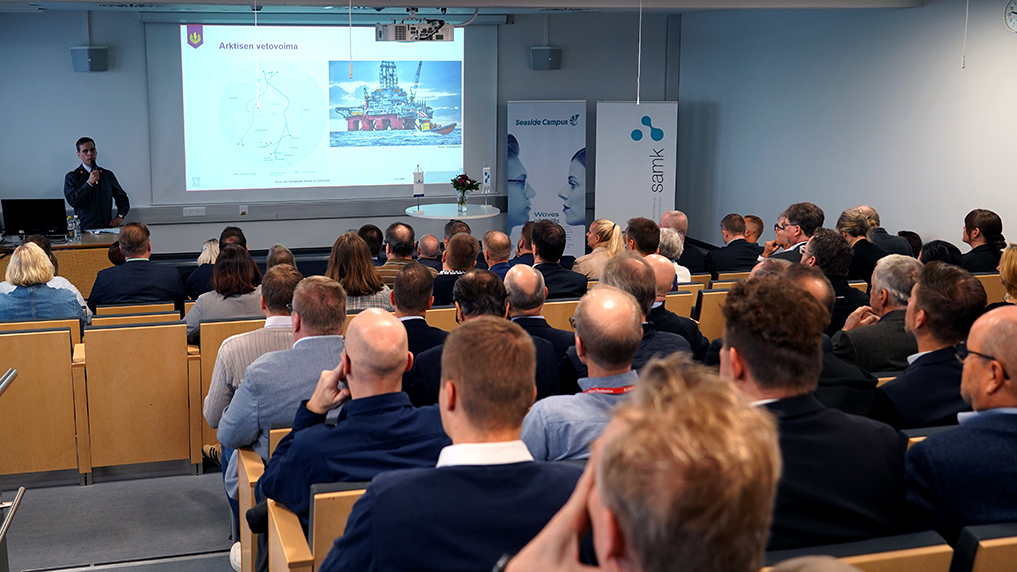
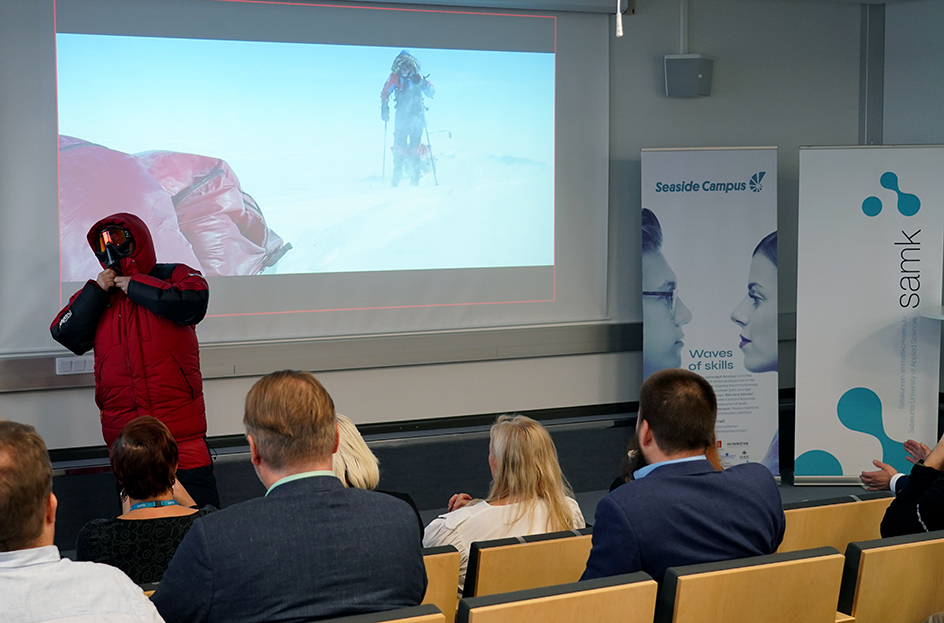
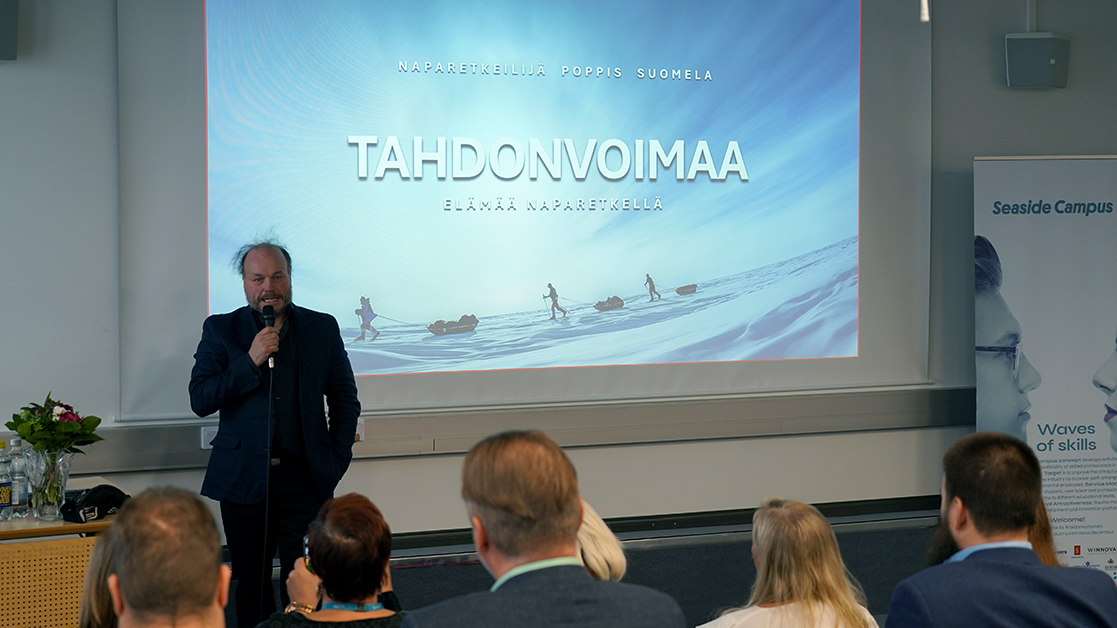
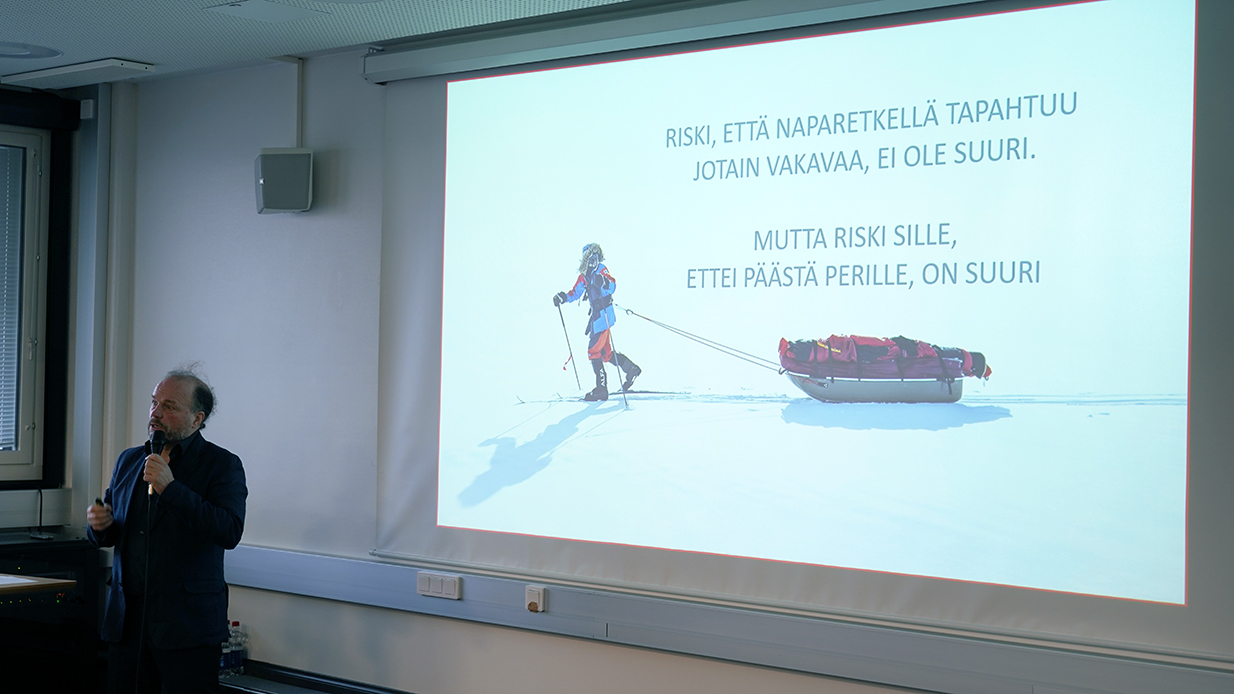
A particularly strong human perspective was brought by polar explorer Poppis Suomela, whose stories of deep snow, shifting ice, and uncertainty in the Arctic resonated with the audience. He reminded us that Arctic expertise is not just technical performance. It is the ability to act in situations where plans can change in seconds and progress can vanish in a gust of wind. Suomela also spoke about resilience and the importance of believing in success even when conditions seem determined to halt progress. His experiences in expeditions and decision-making in extreme conditions brought a perspective that cannot be learned from books: Arctic expertise also requires mental endurance.
Dialogue is the core of Arctic expertise
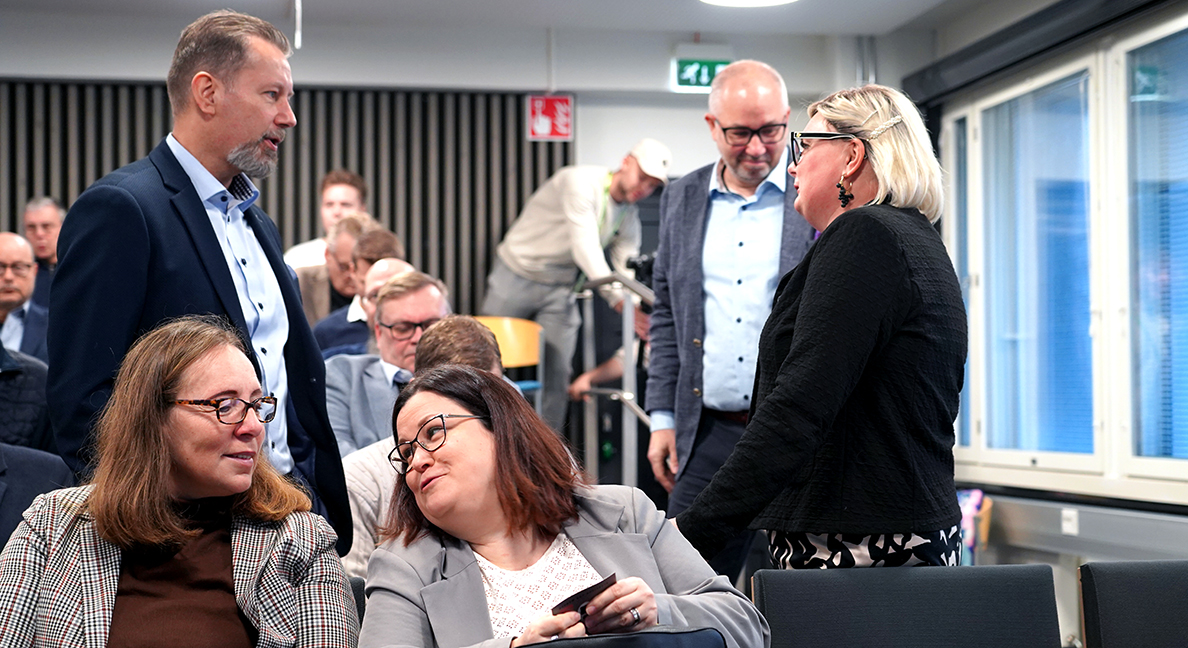
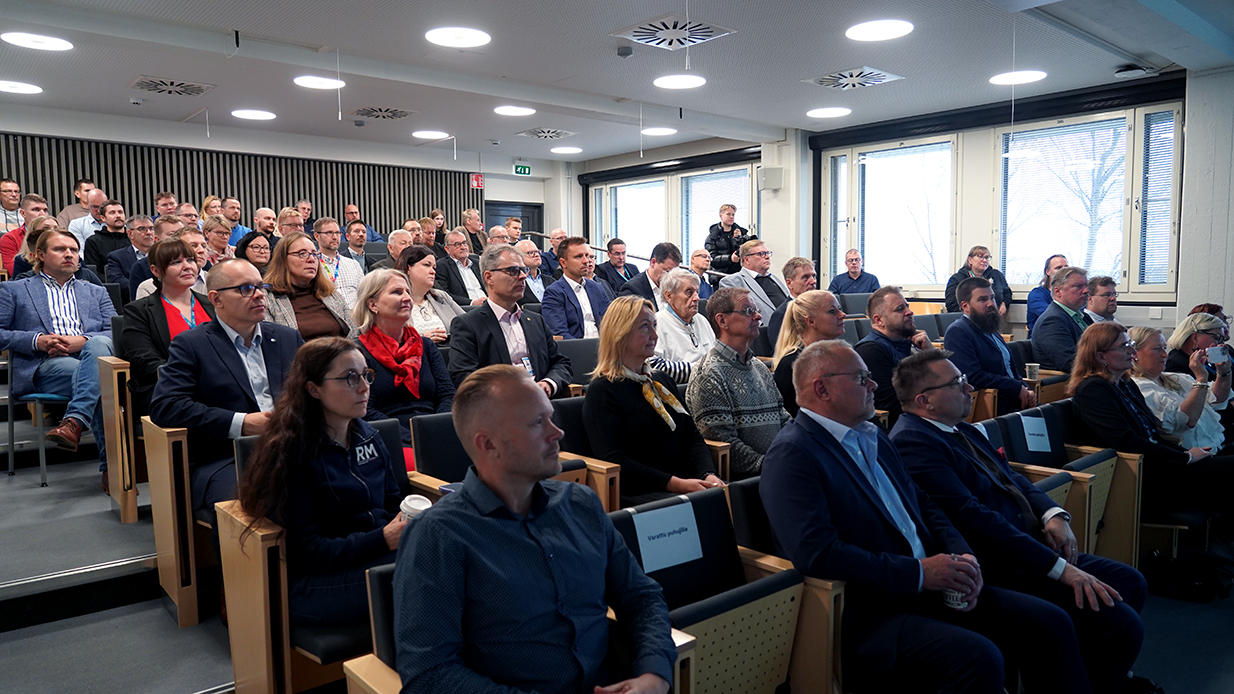
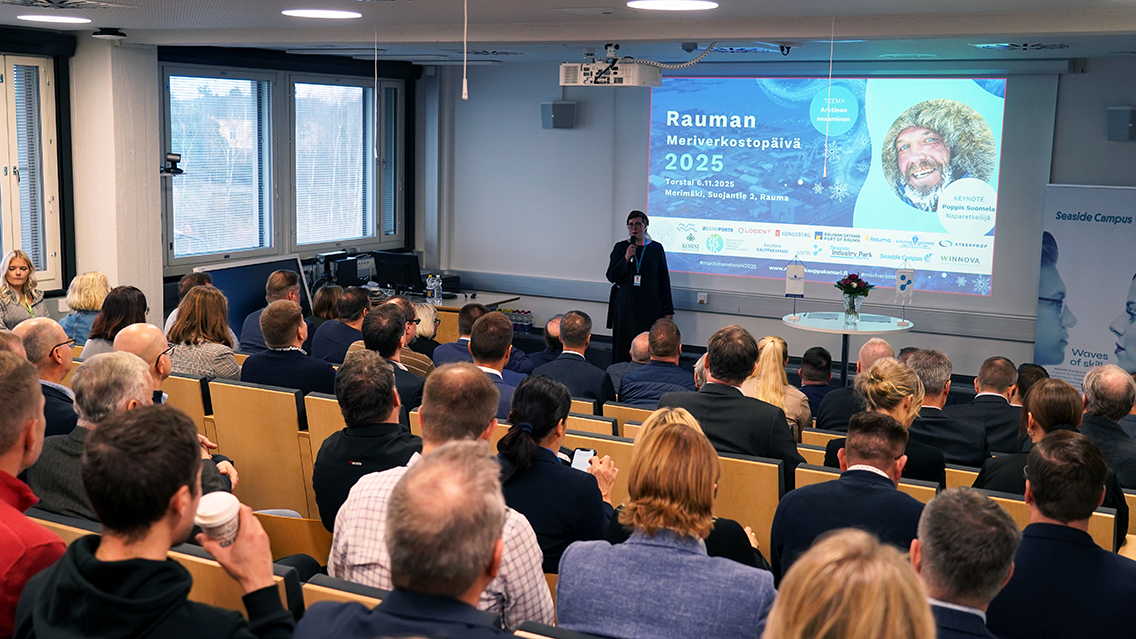
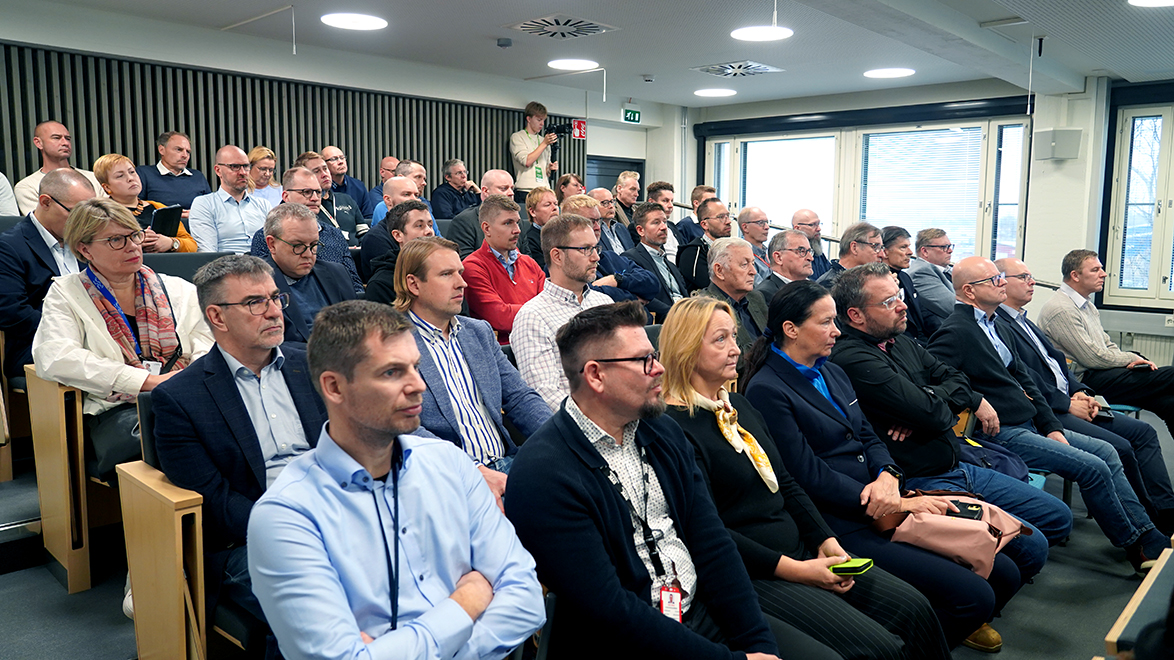
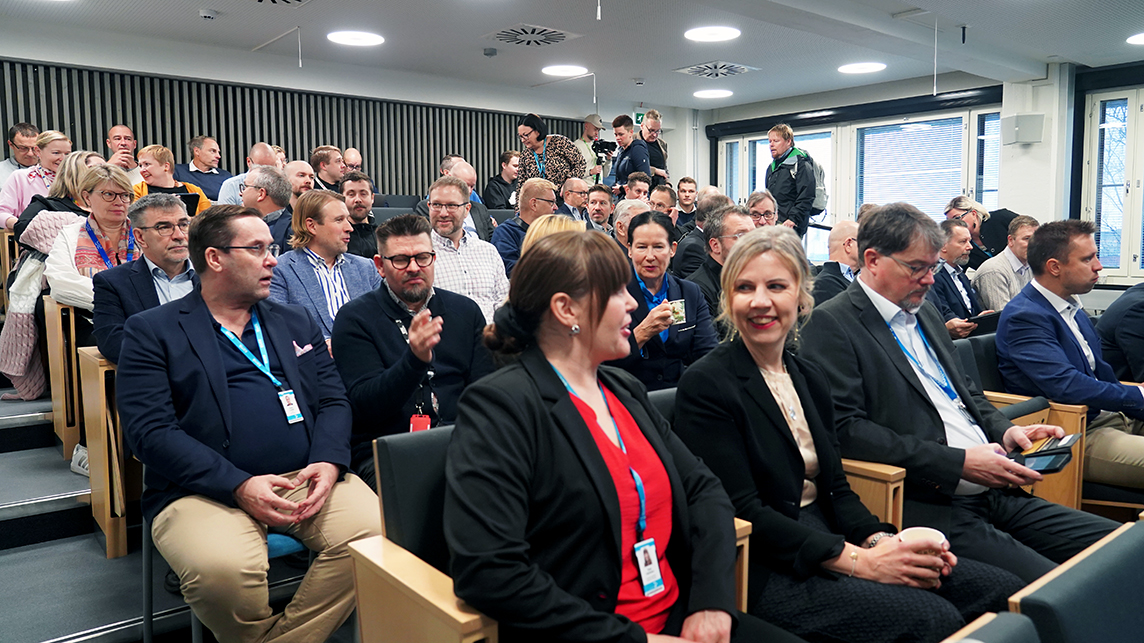
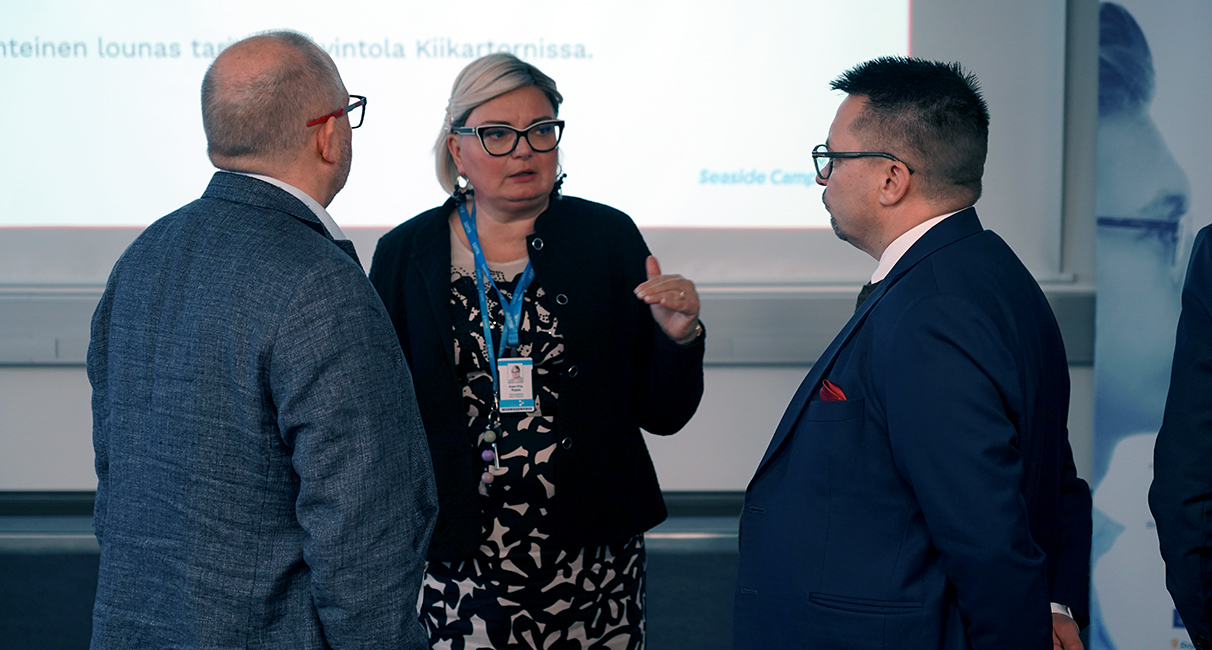
The event had an unusually strong conversational tone. The audience asked questions, challenged ideas, and added perspectives. Experts responded and built on each other’s thoughts. Different perspectives layered together to form a shared understanding of the present and the future.
The Arctic environment constantly challenges us, which is why open dialogue is essential. Knowledge must be shared, reflections must be made together, and practical perspectives from work at sea, research laboratories, or shipyards must also be heard. The Maritime Network Day showed that collective discussion is not a byproduct of the event—it is its most important asset.
The future of Arctic expertise is collective
Throughout the day, it became clear that Arctic expertise does not sustain itself. It must be developed, researched, tested, and built together. It requires projects that combine environmental understanding and technological advancement. It requires education that anticipates the future. It requires companies and authorities willing to innovate their operating methods. And it requires moments like those experienced at the Maritime Network Day, where people gather around the same table to share knowledge and experience.
It is also human at its core. Collaboration, trust, and care for one another emerged more strongly than perhaps ever before. These qualities support both Arctic operations and everyday work, whether on an icebreaker’s bridge, handling research data, or on a polar expedition in the middle of a white wilderness.
Moving forward together
The Maritime Network Day delivered a strong message: Arctic expertise is Finland’s shared story. It does not emerge within a single organization or on an individual’s desk. It is created in encounters where knowledge is shared, ideas are exchanged, and a common direction is built piece by piece.
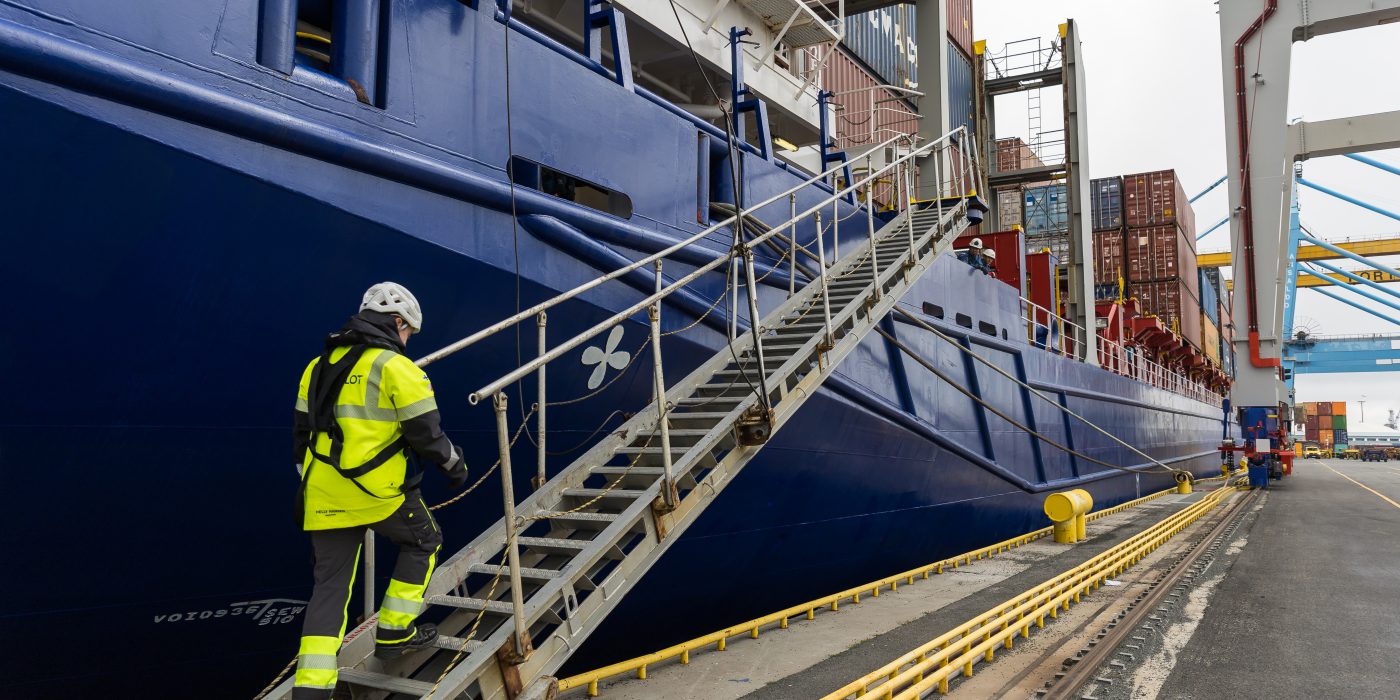
The Arctic shipping of the future still needs more research, more collaboration, and more dialogue. These are precisely the ingredients that the Maritime Network Day reminded us of in a way that will resonate long after the event.
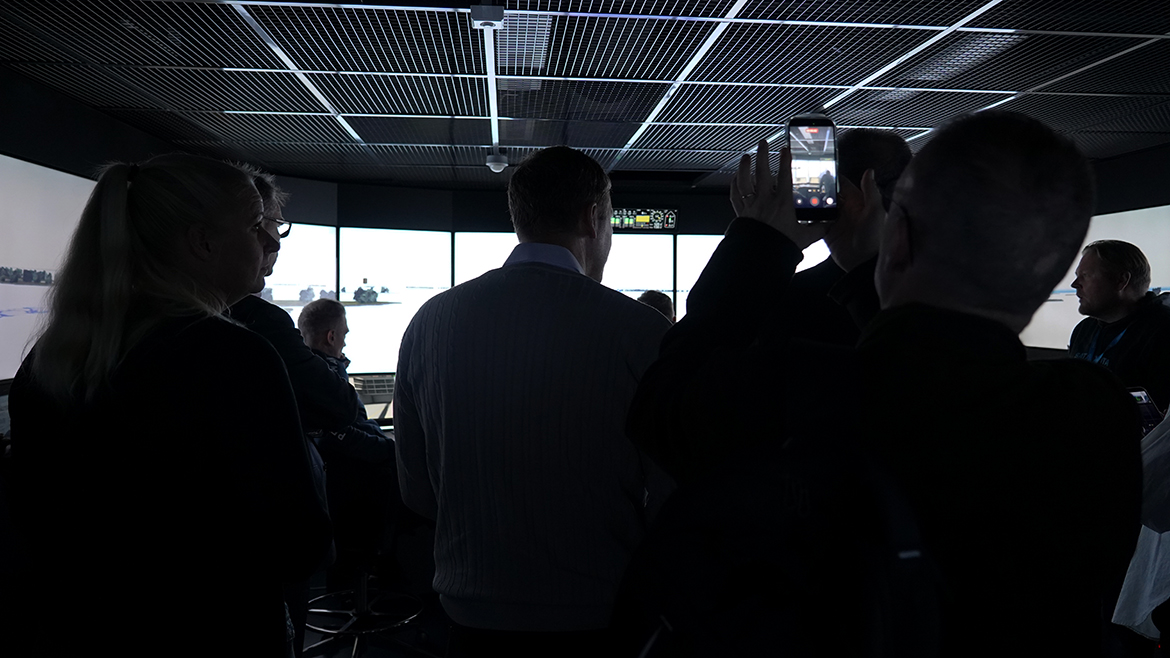
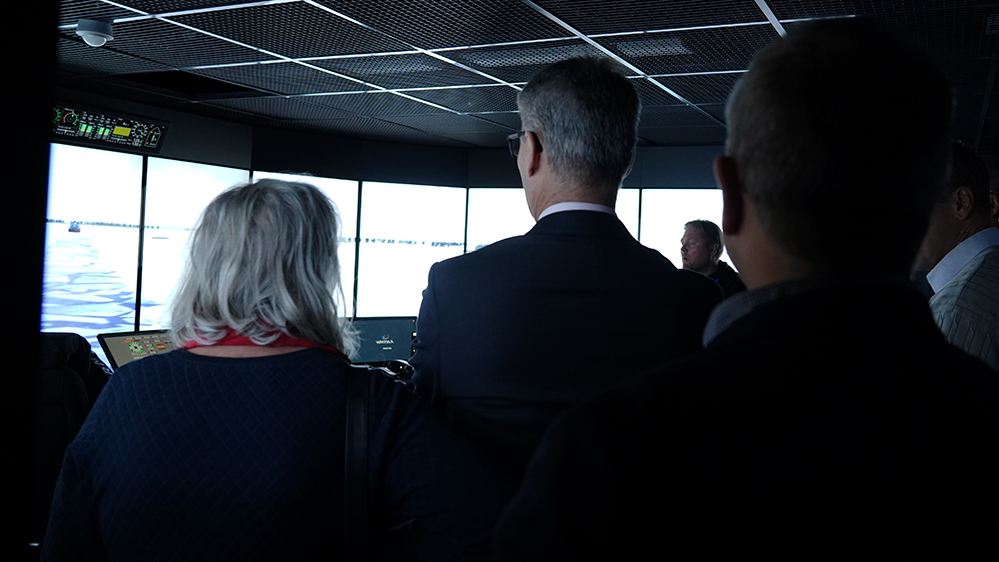
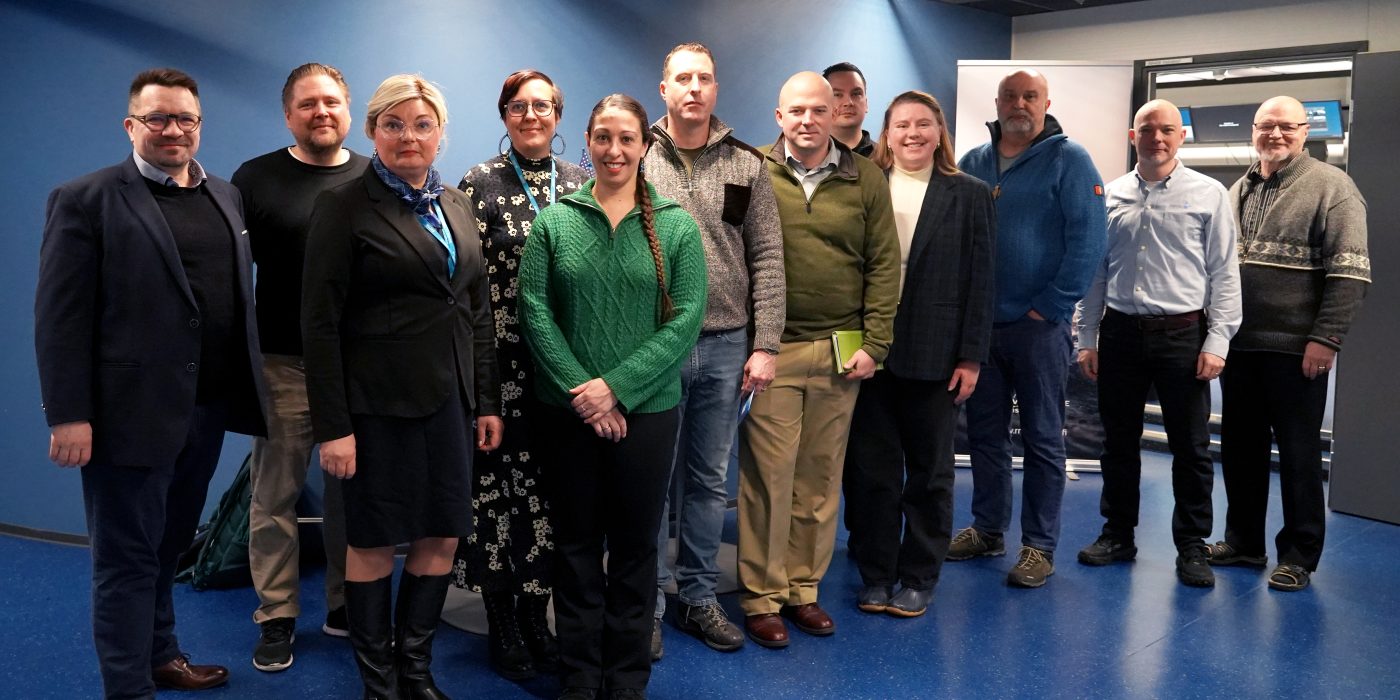
We also got a glimpse into maritime simulators, where realistic learning environments brought the practice of Arctic shipping closer. At the same time, ongoing evaluation exercises made the experience especially captivating.