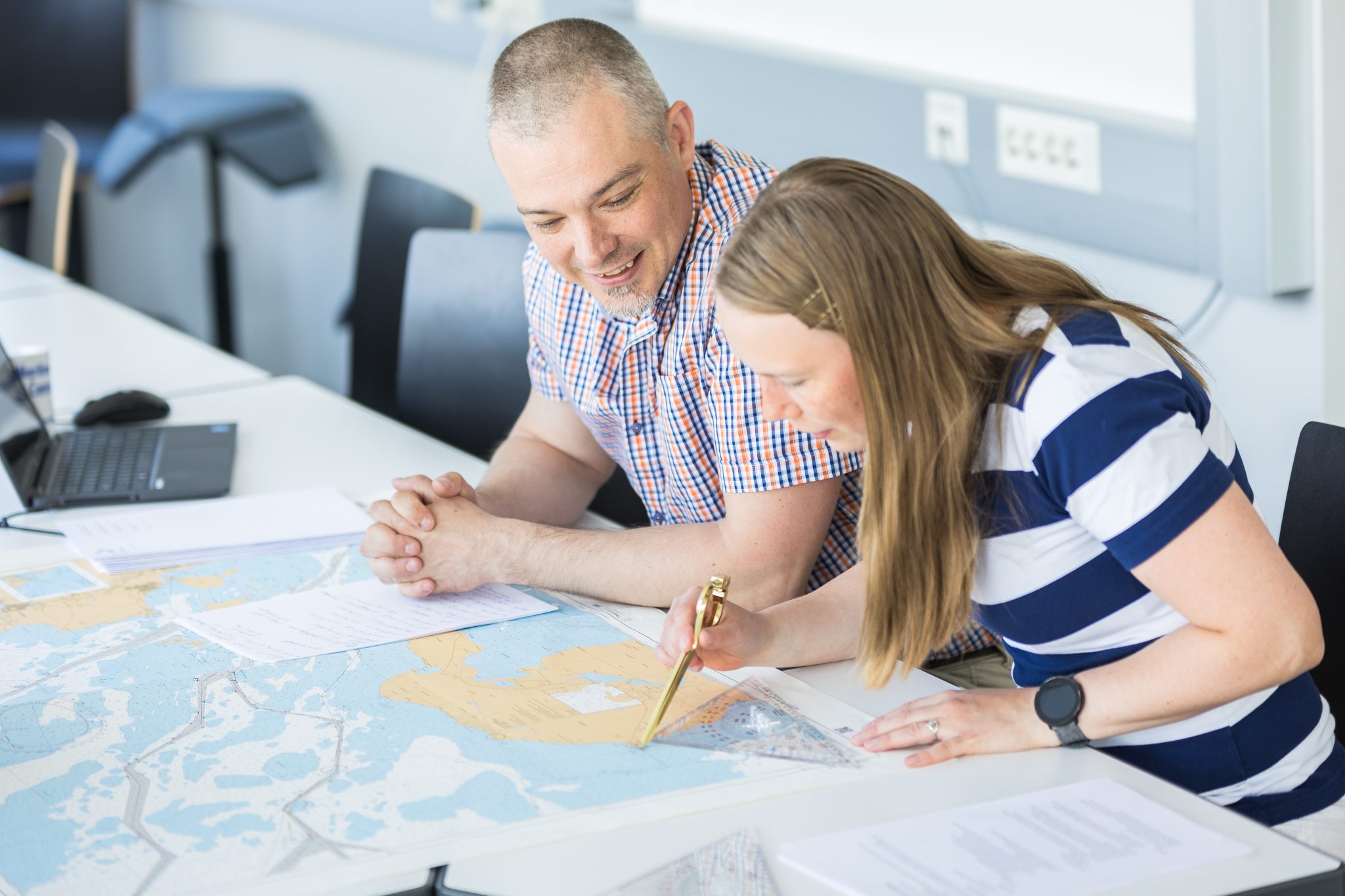
From Tradition to Research — 145 Years of Maritime Education in Rauma
Maritime education has been continuously offered in Rauma for 145 years. Over the years, the training has evolved from the age of sailing ships to digital simulation environments, but one thing has remained: a strong connection to the realities of maritime life and a desire to advance the field. Heikki Koivisto, Project Manager at the Maritime Logistics Research Center, reflects on how Rauma’s long educational history has laid the foundation for Finnish research expertise and international collaboration, and the directions the maritime industry is now heading.
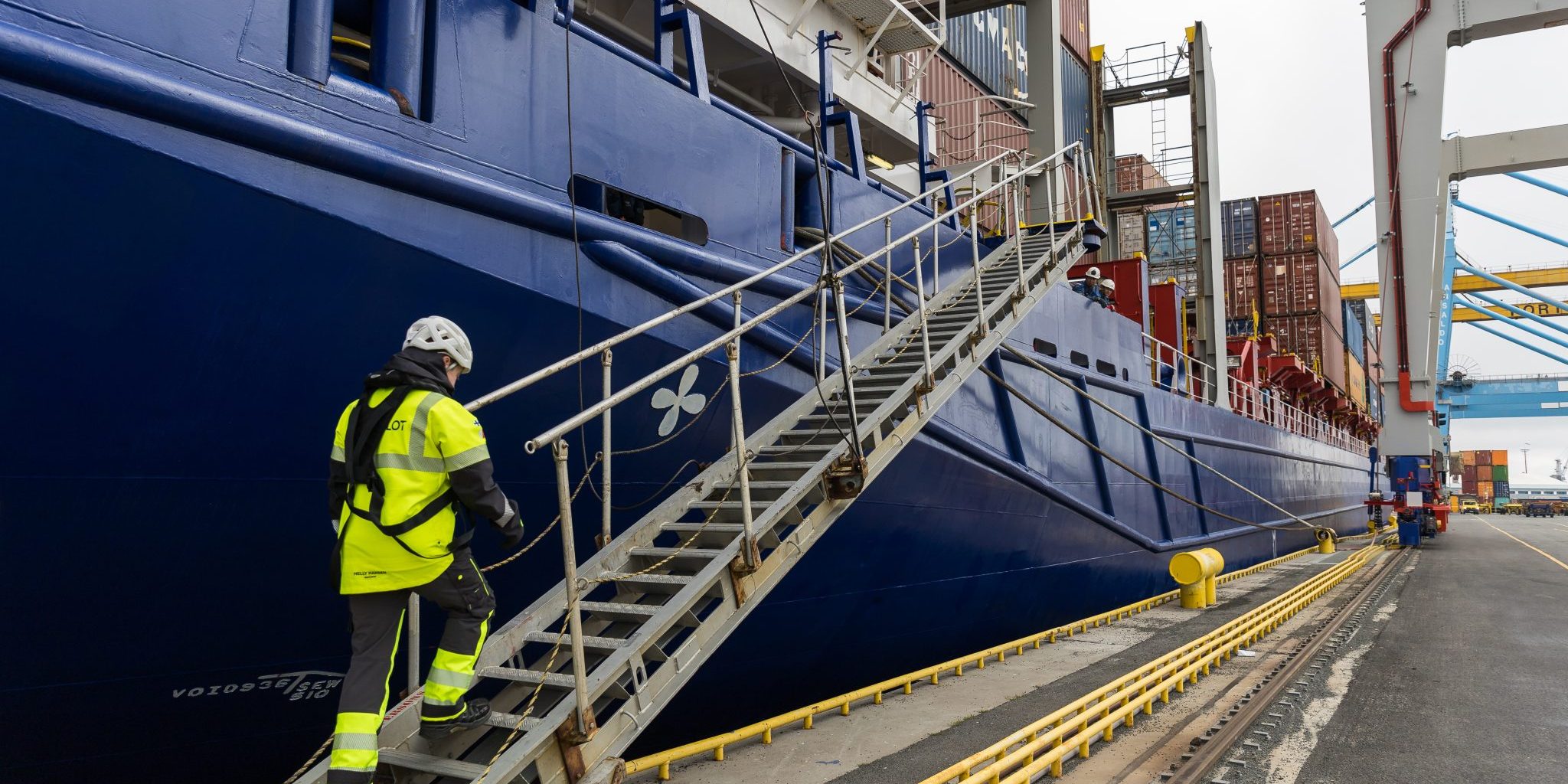
Historical Continuity Carries into the Future
Rauma’s maritime education story began in October 1880, when the first group of students started their studies. The current SAMK campus is already the fifth educational building, but all previous school buildings still exist in the cityscape. Koivisto feels that the physical history is part of Rauma’s maritime identity: the city understands the significance of maritime work because it has been present for generations.
History has also had a practical impact on the development of education. In the past, students often had strong maritime backgrounds and a clear understanding of the field. Today, the student body is much more diverse. According to Koivisto, this has changed teaching significantly. Not everyone comes with prior sea experience, so learning methods have diversified and modernized.
Simulators Revolutionized Teaching and Laid the Groundwork for Research
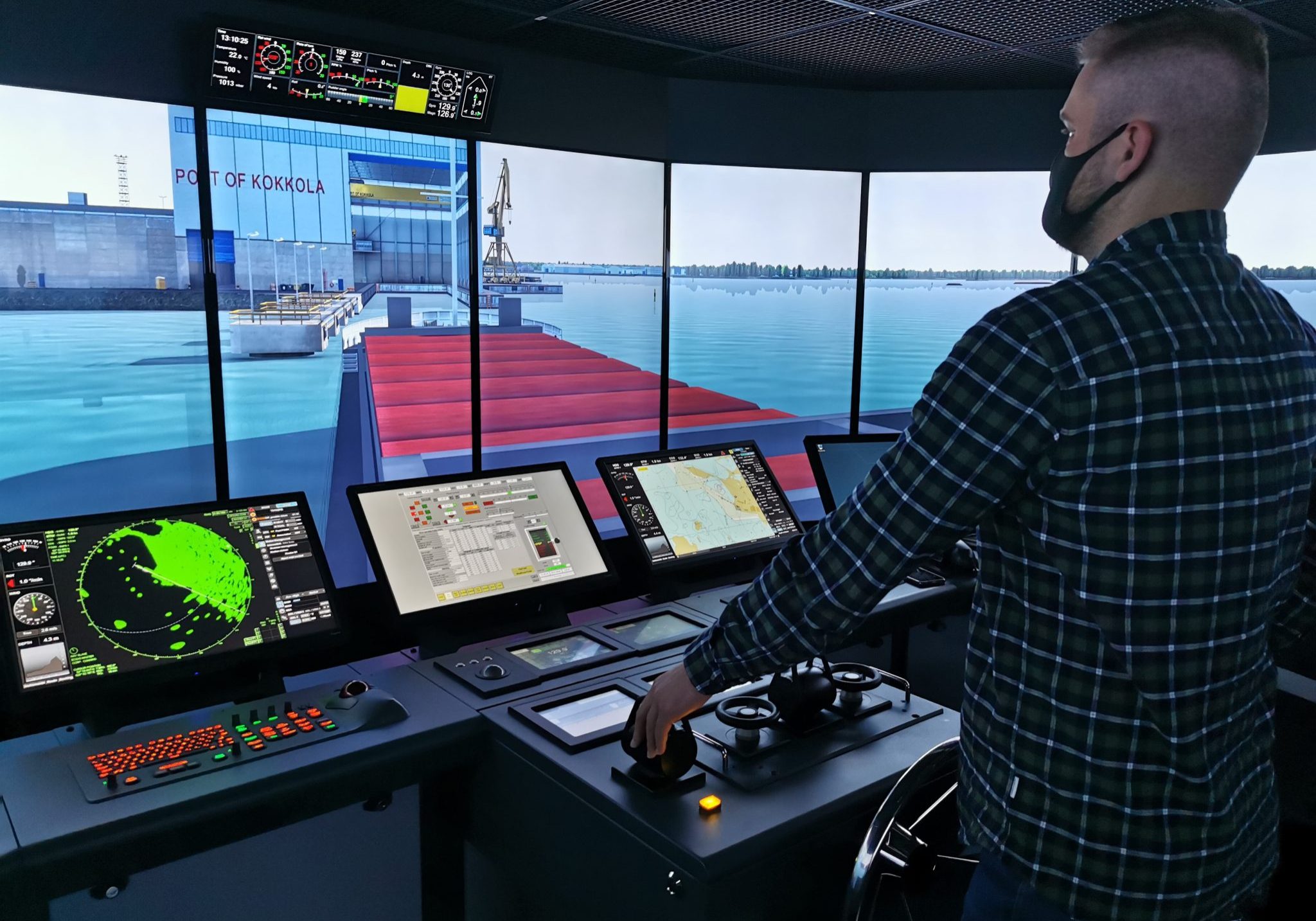
One of the biggest transformations has involved teaching tools. During the age of training ships, students undertook concrete practice voyages to countries such as Estonia, Latvia, and Sweden, planned routes, and learned maritime skills along the way. With the introduction of simulators, learning moved into new frameworks, opening up entirely new opportunities.
Today, students can earn up to 30 official sea days through simulator exercises. Koivisto emphasizes that this is globally rare and demonstrates Finland’s pioneering role. Changes to the Pilotage Act in 2011 made simulators an official and essential part of pilot training. Safely simulated, even high-risk, scenarios have given teaching and research a new dimension.
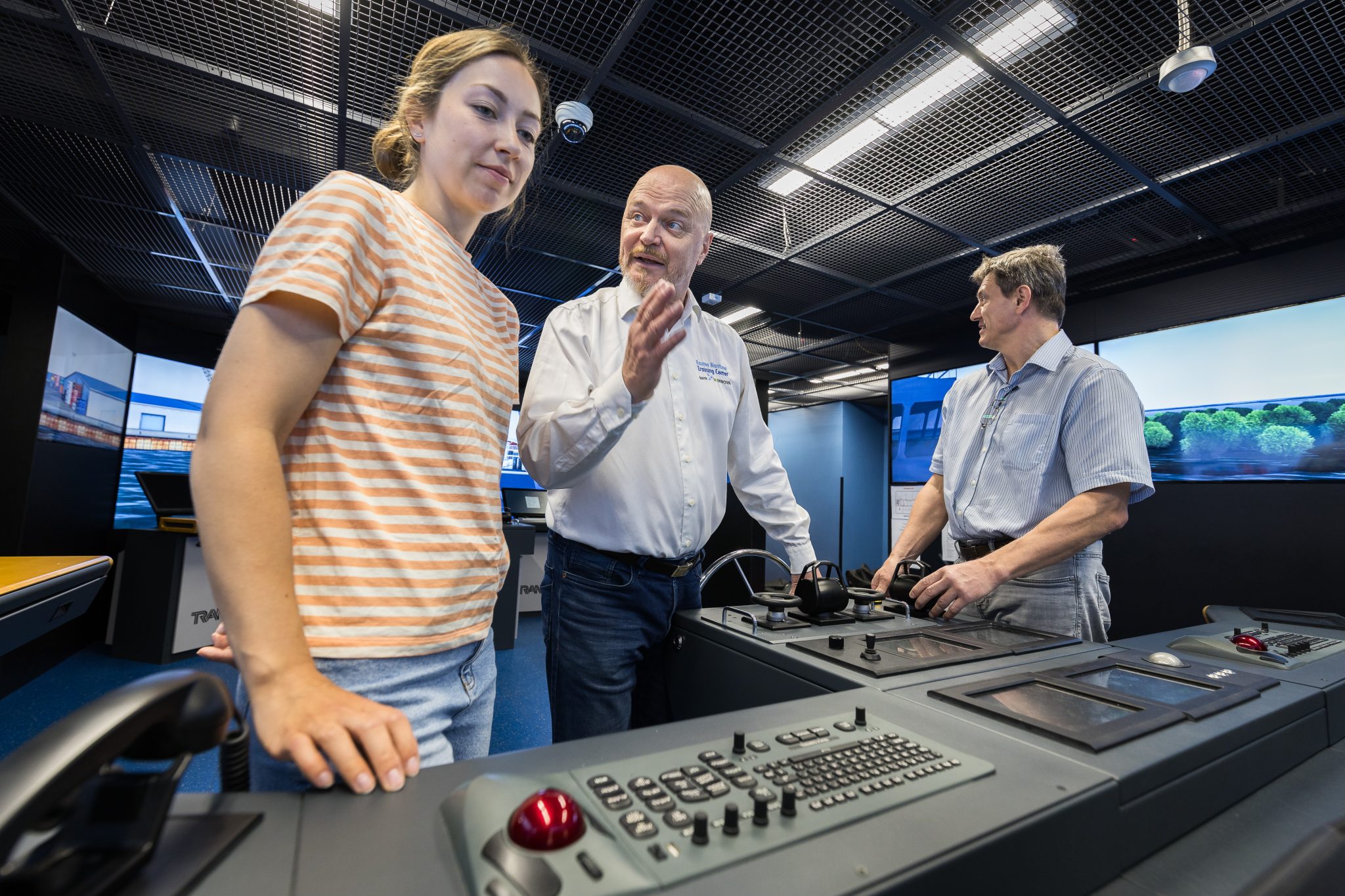
Data collected in simulations is a crucial part of research. SAMK’s simulator environment is used both in degree programs and continuing education, and at its best, teaching and research run side by side seamlessly. Students are part of this development: many carry out theses in research projects and continue with them after graduation.
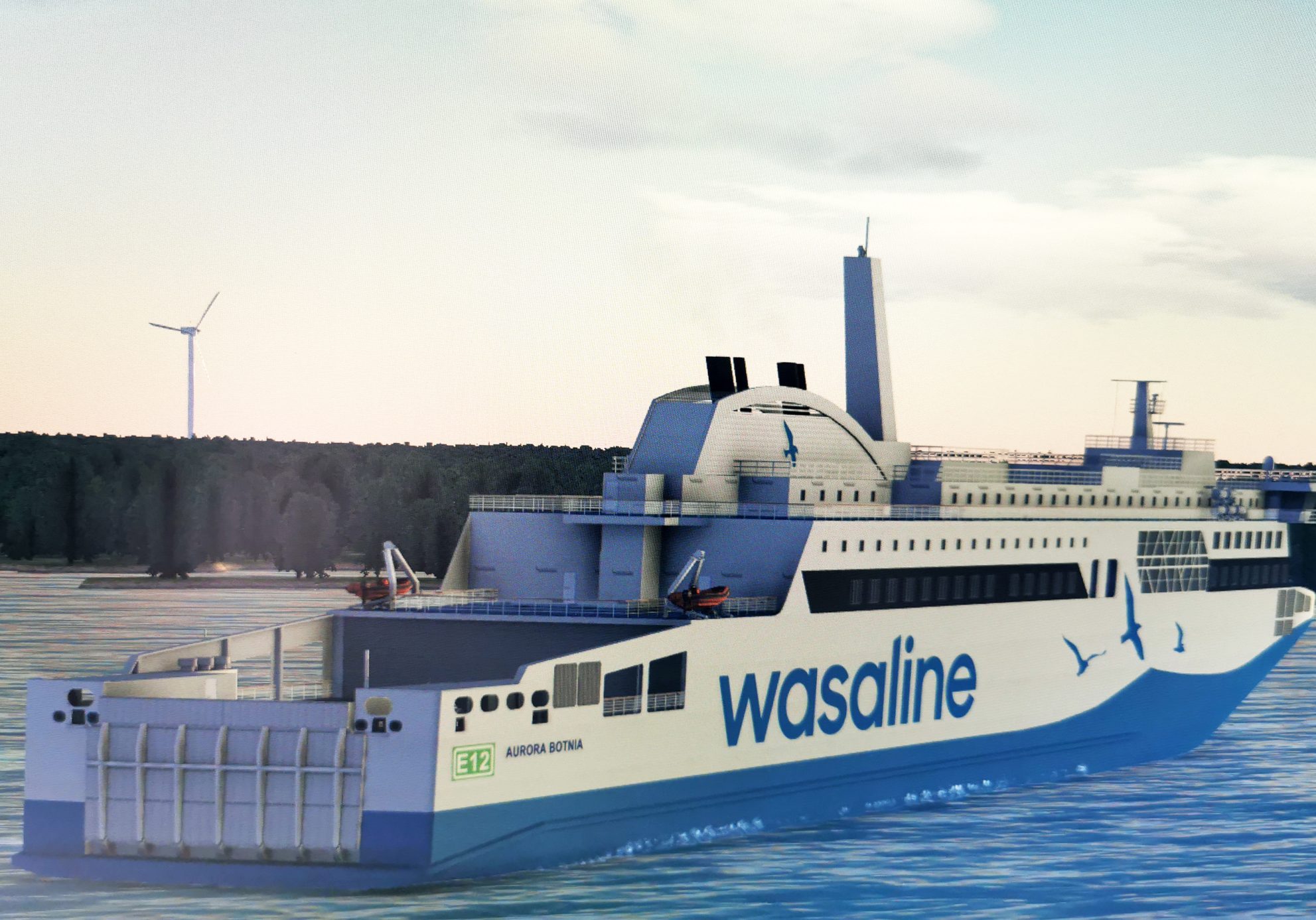
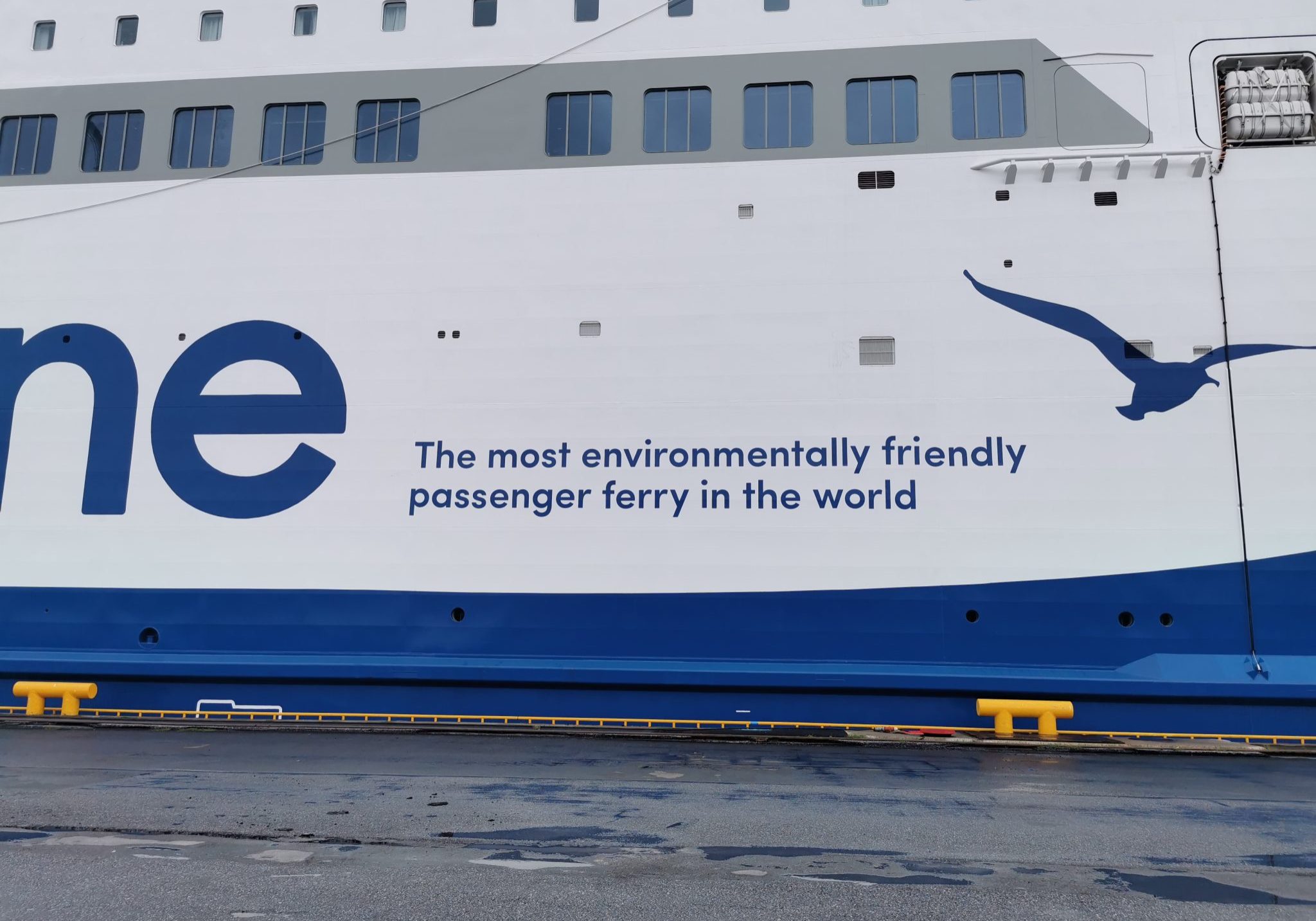
The Aurora Botnia project is an excellent example. The unique features of the eco-friendly passenger-car ferry built in Rauma were modeled in SAMK simulators, and the ship’s bridge crew trained on its operation before the vessel was completed. During the COVID-19 pandemic, simulations enabled the continuity of education, and this collaboration with WasaLine continues today.
A Meeting Place for Communities and Expertise
According to Koivisto, Rauma’s maritime strength lies not only in technology and tradition but also in multidisciplinary collaboration. SAMK’s maritime programs — Finnish-language Bachelor of Engineering in Maritime Studies, English-language Sea Captain degree, and the popular Maritime Management (Master’s) program — produce professionals who study and work alongside research teams.
Research projects bring current phenomena into teaching, allowing students to participate in real development work. According to Koivisto, this is one of the greatest strengths of the Maritime Logistics Research Center and SAMK: learning does not remain theoretical but is directly connected to practice and industry development.
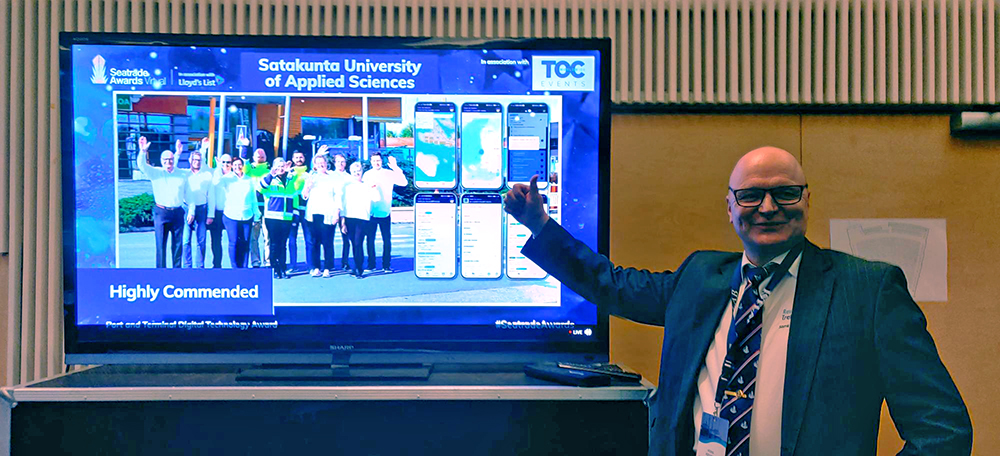
The Port Activity application is a good example. It is visible in ports across Finland, and its development has been recognized internationally in the Seatrade Awards finals and domestically with the national RDI Excellence Award. The application promotes green transition in ports and optimizes ships’ timely arrivals — showing how research has a concrete impact on daily maritime operations.
The Future of Maritime Logistics — Green Transition, Data, and Arctic Expertise
Koivisto notes that the maritime sector is undergoing significant transformation. Renewable energy sources and emission reduction targets are changing ship design. At the same time, navigation systems are evolving toward data-driven, predictive, and standardized information management. SAMK is involved in developing these solutions through projects such as S-100 standardization and e-Navigation.
Arctic maritime operations are emerging as a new focus area. Koivisto sees specialized expertise in operating in cold and demanding waters as a future competitive factor, where simulator training offers unique opportunities.
“SAMK’s Grass is Green Enough” — and Opportunities Abound
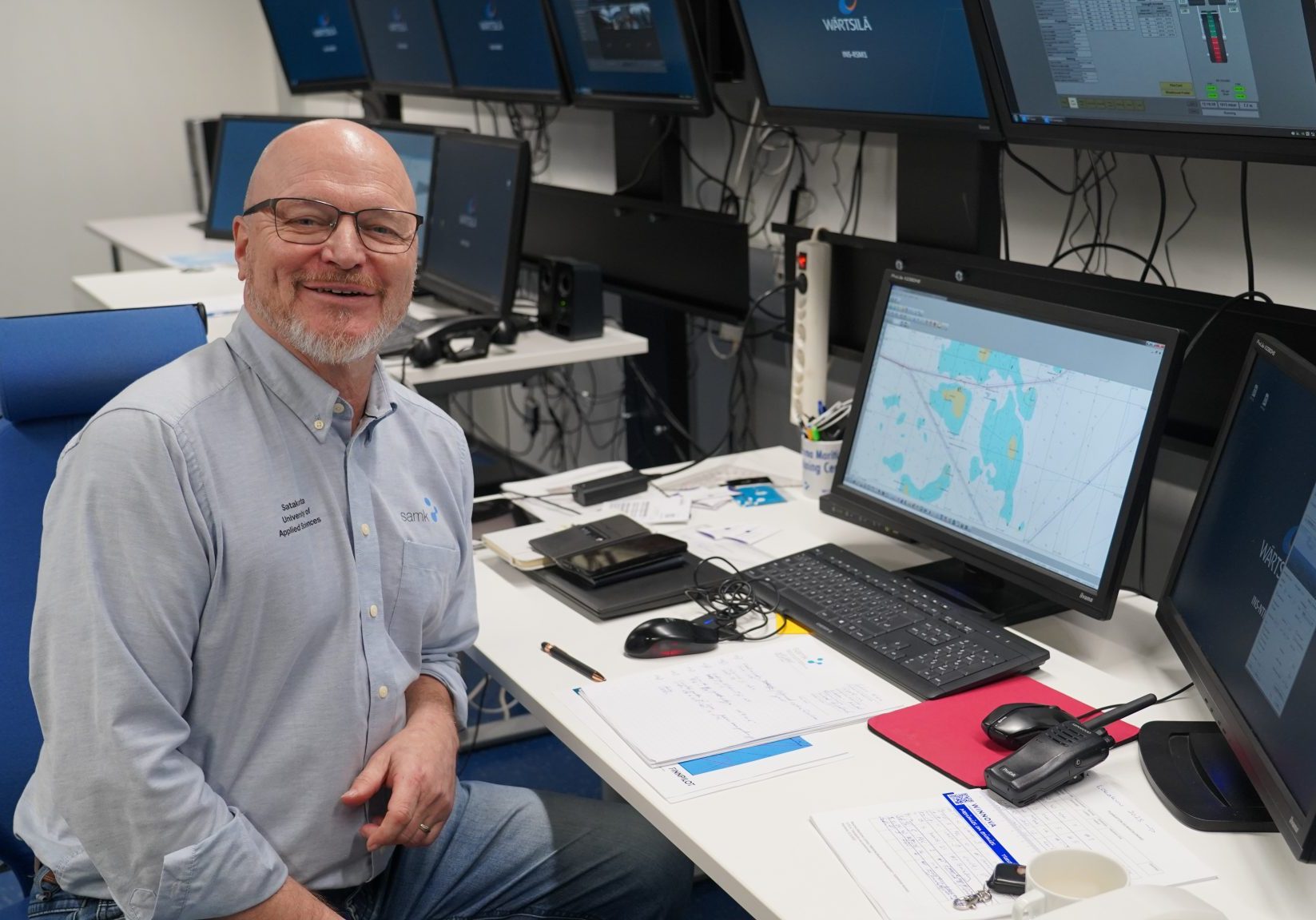
Many professionals consider the direction they want their careers to take. Koivisto shares that SAMK has offered him an exceptionally broad range of opportunities: teaching, research, international projects, industry collaboration, and development of digital learning environments. Few organizations provide such diverse frameworks.
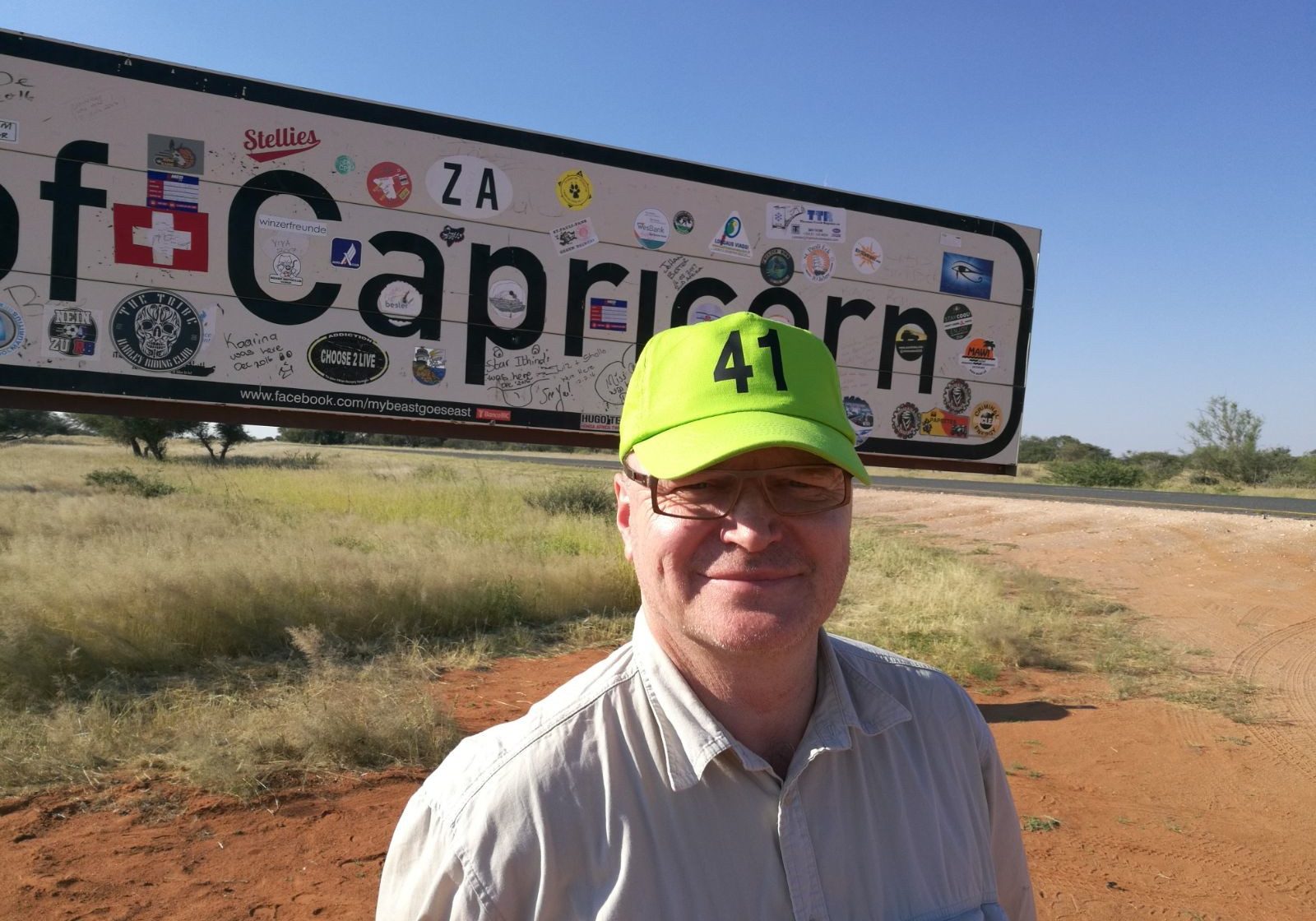
He recalls that he was close to moving abroad, but at SAMK he has been able to work in ways that have a direct and visible impact on the future of maritime operations. International projects, such as long development initiatives in Namibia, have provided extensive experience, yet home has remained in Rauma.
Tradition Continues — But the Direction is Forward
Rauma’s 145-year educational history is not just a monument to the past. It is a strong foundation upon which the Maritime Logistics Research Center is building the future. From Koivisto’s perspective, tradition provides identity and values, but the future is shaped through research, data, sustainable solutions, and ongoing collaboration with companies and international partners.
Maritime operations are changing rapidly, and Rauma is evolving along with them. Yet one thing remains: the ability to combine tradition with bold innovation. That is exactly what has made Rauma a Finnish center of maritime expertise for 145 years.