Building Water-Smart Rural Communities Through Cooperation in the Baltic Sea Region
Communities across the Baltic region are facing growing challenges from climate change. Heavy rainfall, flooding, drought periods, and limited green infrastructure are increasingly affecting public spaces, schools, municipal services, and local wellbeing. While many innovative water management solutions have been tested in cities and larger catchment areas, small rural municipalities often lack the resources, expertise, and support needed to implement them. The new Interreg Baltic Sea Region BlueRural project addresses this gap with practical and affordable water-smart solutions, bringing them directly to rural communities.
The project brings together municipalities, research organizations, and expert institutions from Poland, Finland, Germany, and Denmark, focusing specifically on the needs of small rural municipalities. The core objective is to help municipalities adopt simple and affordable nature-based solutions (NBS) that improve water retention, reduce flood risks, increase drought resilience, and enhance local green infrastructure.
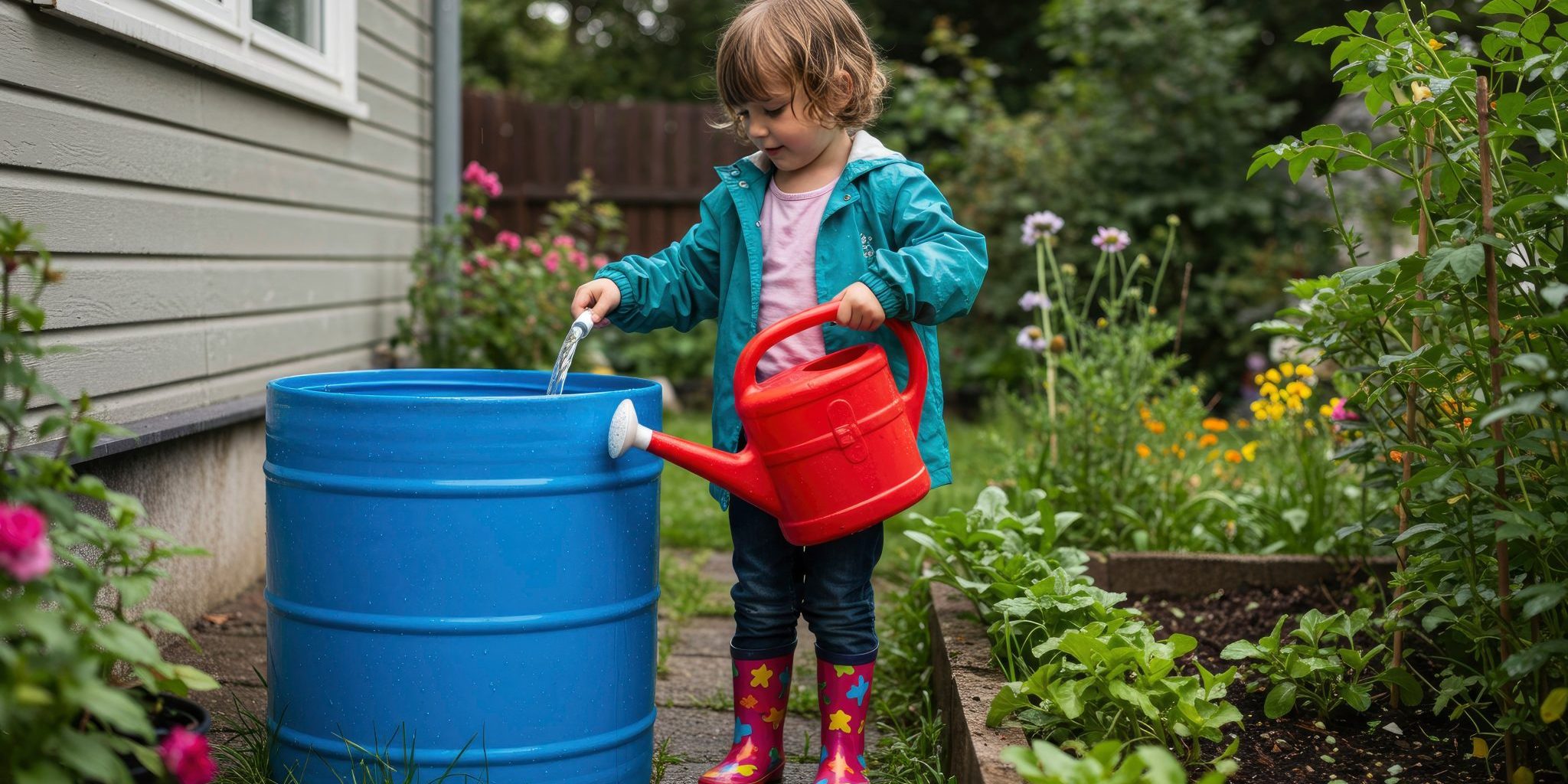
Rather than investing in expensive engineering projects, BlueRural will demonstrate how small-scale measures can make a difference. The project's pilot activities will take place in the Polish municipalities of Stawiguda and Nidzica, where rainwater harvesting systems and mini rain gardens will be installed on municipal land, school grounds, and community spaces. These installations will serve as practical examples of low-cost water retention solutions that can be replicated by other municipalities with limited budgets and technical capacity.
The project will organize workshops for municipal staff, schools, and local communities. Simple monitoring tools and user-friendly guidance materials will be developed so that municipal staff, schools, and citizens can participate in data collection and learning how to install, maintain, and monitor the NBS. By learning through direct participation, local stakeholders will gain the skills needed to continue implementing and maintaining these solutions long after the project ends. Practical guidance materials, replication templates, and communication tools will be produced to encourage similar NBS adoption by other municipalities.
By the end of the project, BlueRural aims to increase climate resilience in rural municipalities, strengthen local capacities for sustainable water management, and engage citizens, schools, and community groups in practical climate action – demonstrating that even small, low-cost actions can help communities adapt to climate change. Through international cooperation and knowledge sharing, the project will provide a practical pathway for rural municipalities across the Baltic region to implement sustainable and affordable water-smart solutions in their everyday operations.
Project facts
- Lead by municipality of Stawiguda (Poland)
- Partners include the municipality of Nidzica (Poland), Satakunta University of Applied Sciences (Finland), Centrum Balticum Foundation (Finland) and EUCC – The Coastal Union Germany (Germany)
- Duration 1.7.2026 – 30.6.2028
- Total budget 500 000 € of which EU co-financing 399,999.99 €.