Developing Smart Nature-Based Stormwater Solutions Across the Central Baltic
Hazardous substances and nutrients are still released to the Baltic Sea via urban stormwater systems. The most common pollutants in stormwater include solids, nutrients (nitrogen and phosphorus), metals, oil products, and bacteria, among many other things. To tackle this problem, digital and technical solutions for multi-objective stormwater planning were developed with the aim of also learning how to improve the efficiency of urban stormwater treatment.
The protection of the Baltic Sea is a cross-border challenge – as such, in total seven nature-based solutions (NBS) were set up in Estonia, Finland, Sweden and Latvia in cooperation with municipalities and universities for the common goal of improving stormwater management and treatment. The entire process included analysis and planning, design, construction and monitoring phases. In addition to improved stormwater management, qualitative goals were also set: 60% for total suspended solids (TSS), 30% for total nitrogen, 60% for pathogens (E-coli), 50% for oil products, and 40% for metals compared to the baselines.
First Steps: Knowledge is Key
The process started in May 2023 with analysis and design of the systems. It included the development of a geographical information system (GIS) database to analyse the impacts of stormwater runoff quantity and quality, available public space, transportation needs, real estate developments and ground shape on the solution catchments. This was further supported by field surveys including water quantity and quality measurements in the selected areas to provide more data for the designs of the solutions.
For a more comprehensive analysis on the benefits of the NBSs, a novel multidimensional analysis was also applied to the solutions. The analysis studied the impacts of the preliminary designs on flood risk reduction, water quality improvement, urban heat mitigation, and enhancements to public health and well-being and the results were clear: the NBSs in all the solution areas proved to have an improvement if all four categories based on the preliminary designs (Kõiv et al., 2025).
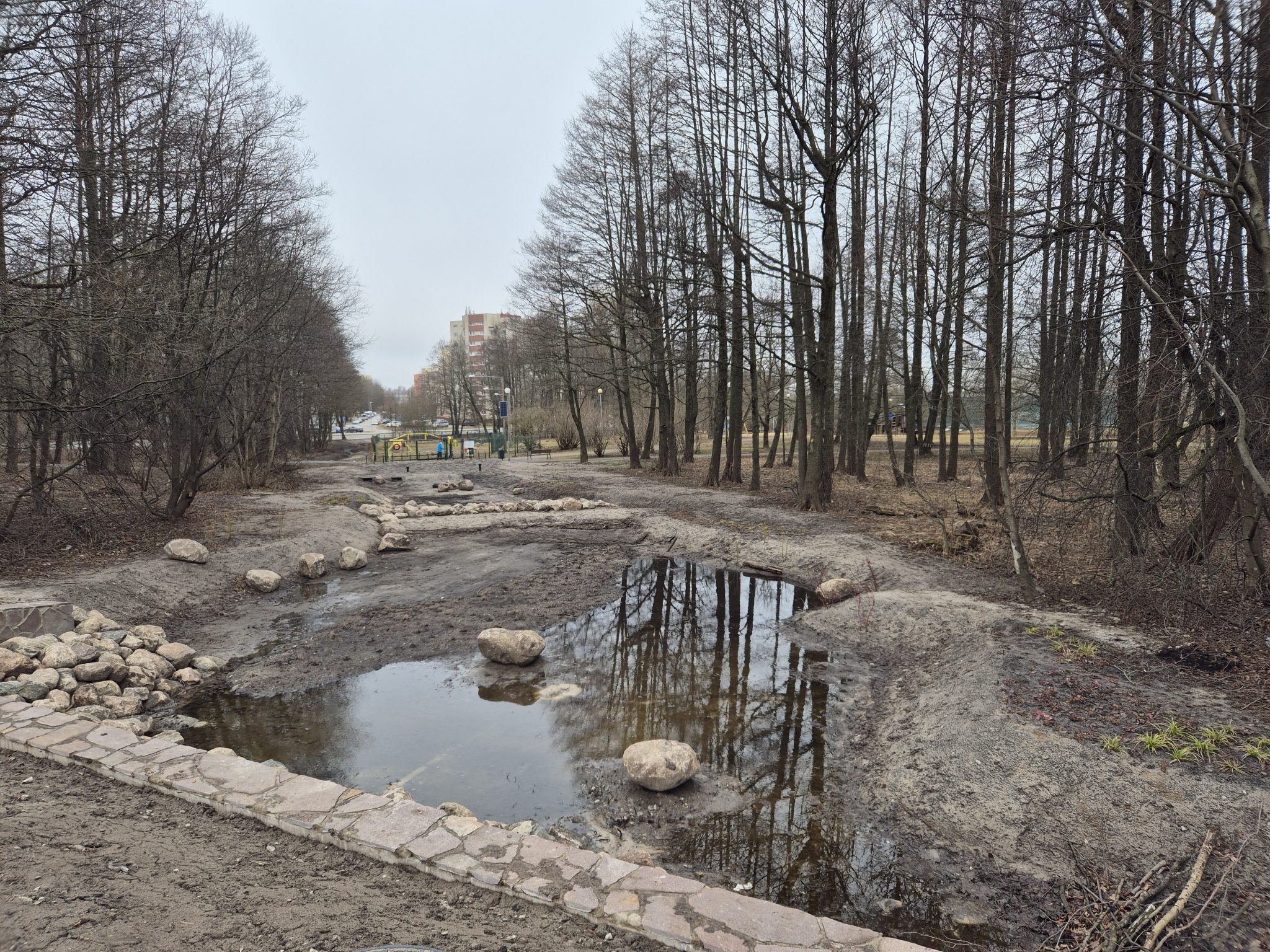
Despite the solutions being based in natural processes, they still require regular maintenance. Therefore, a maintenance program for the solutions was prepared to ensure best stormwater treatment efficiency which included recommendations on the frequency of inspections and various maintenance tasks, such as sediment removal and calibration of the solutions’ smart systems.
Smart Solutions for Different Needs
All seven nature-based solutions were completed gradually between 2024 and 2026. The starting points in the solution areas were different which reflects in the final designs. Digital solutions have been combined in various ways, such as through continuous water quality monitoring or smart flood risk control. The designed solutions are:
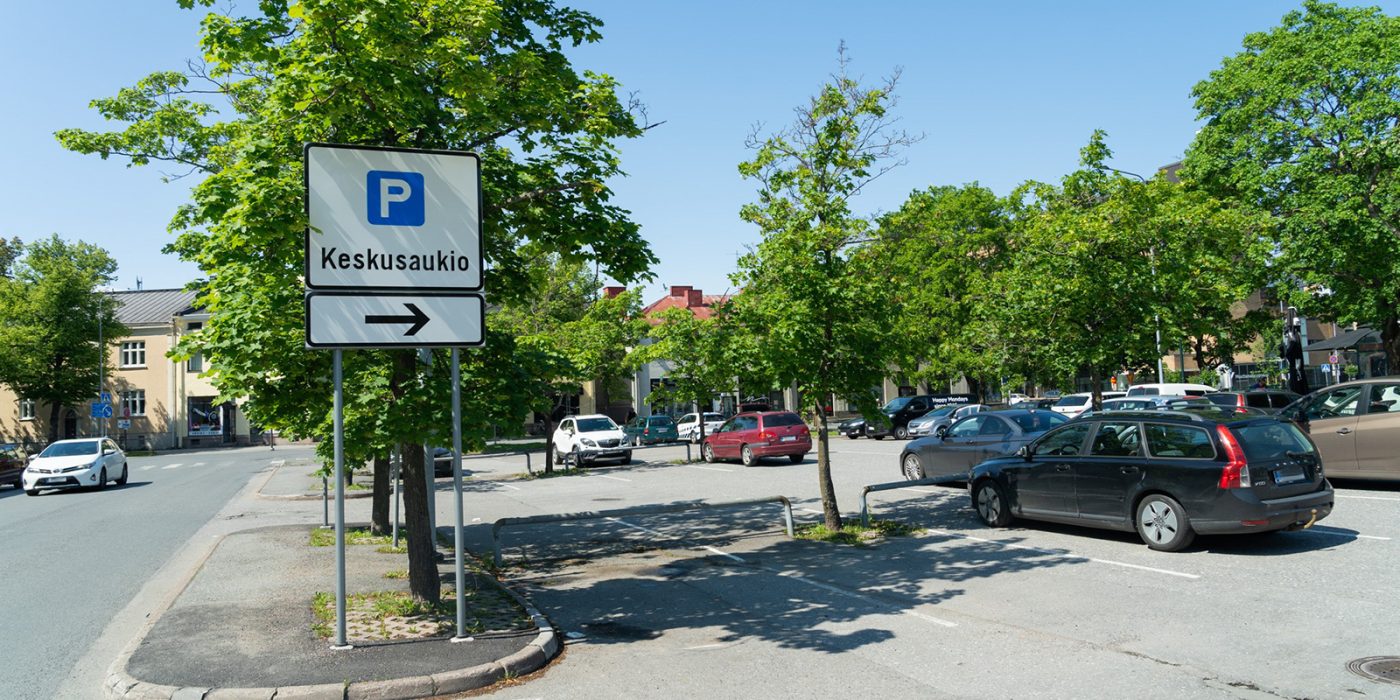
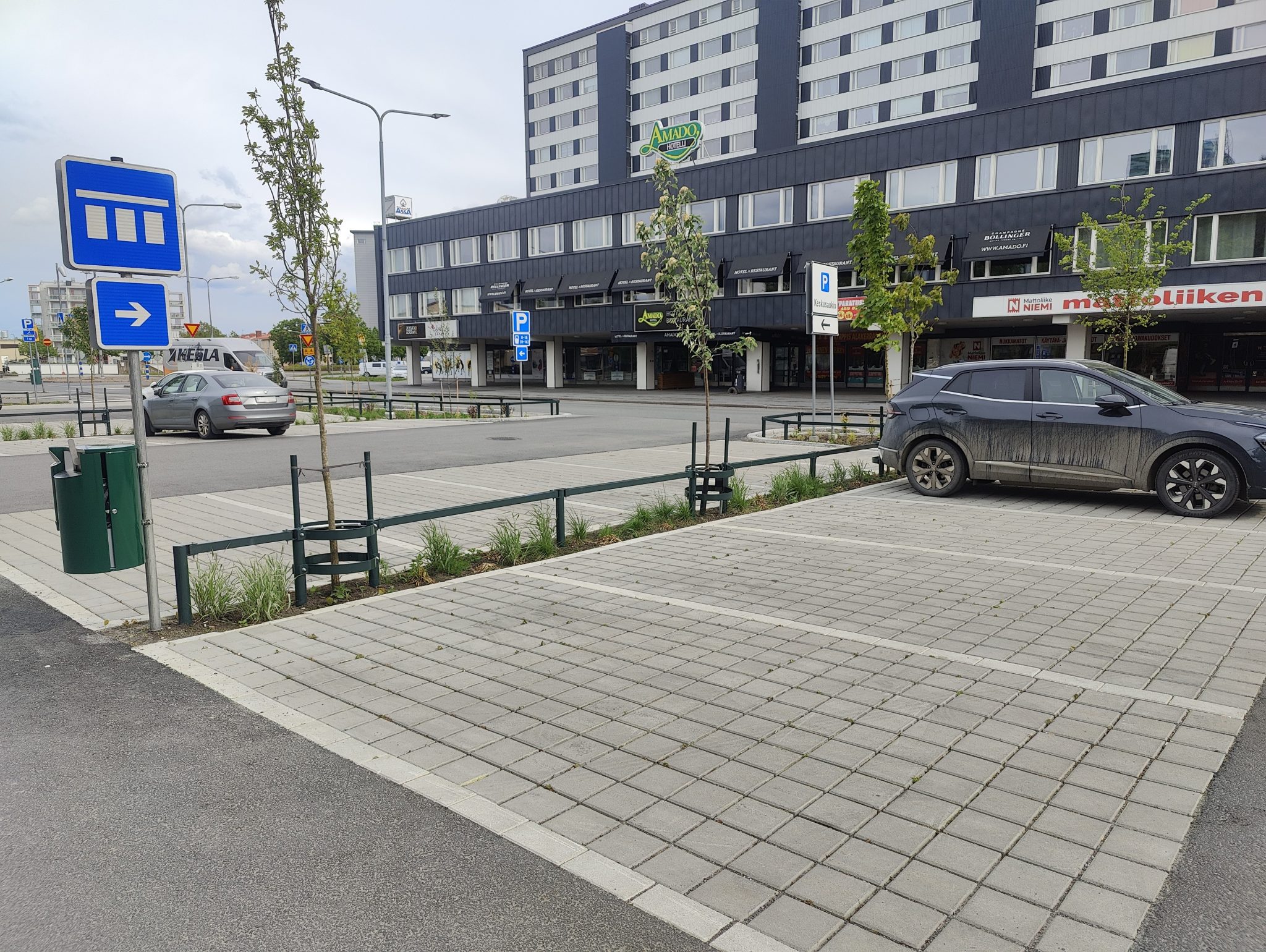
- a parking area in Pori, Finland features permeable block paving, renewed green lanes and plant embankments,
- a wetland in Pori, Finland has a filtration dam system and retention and settling ponds,
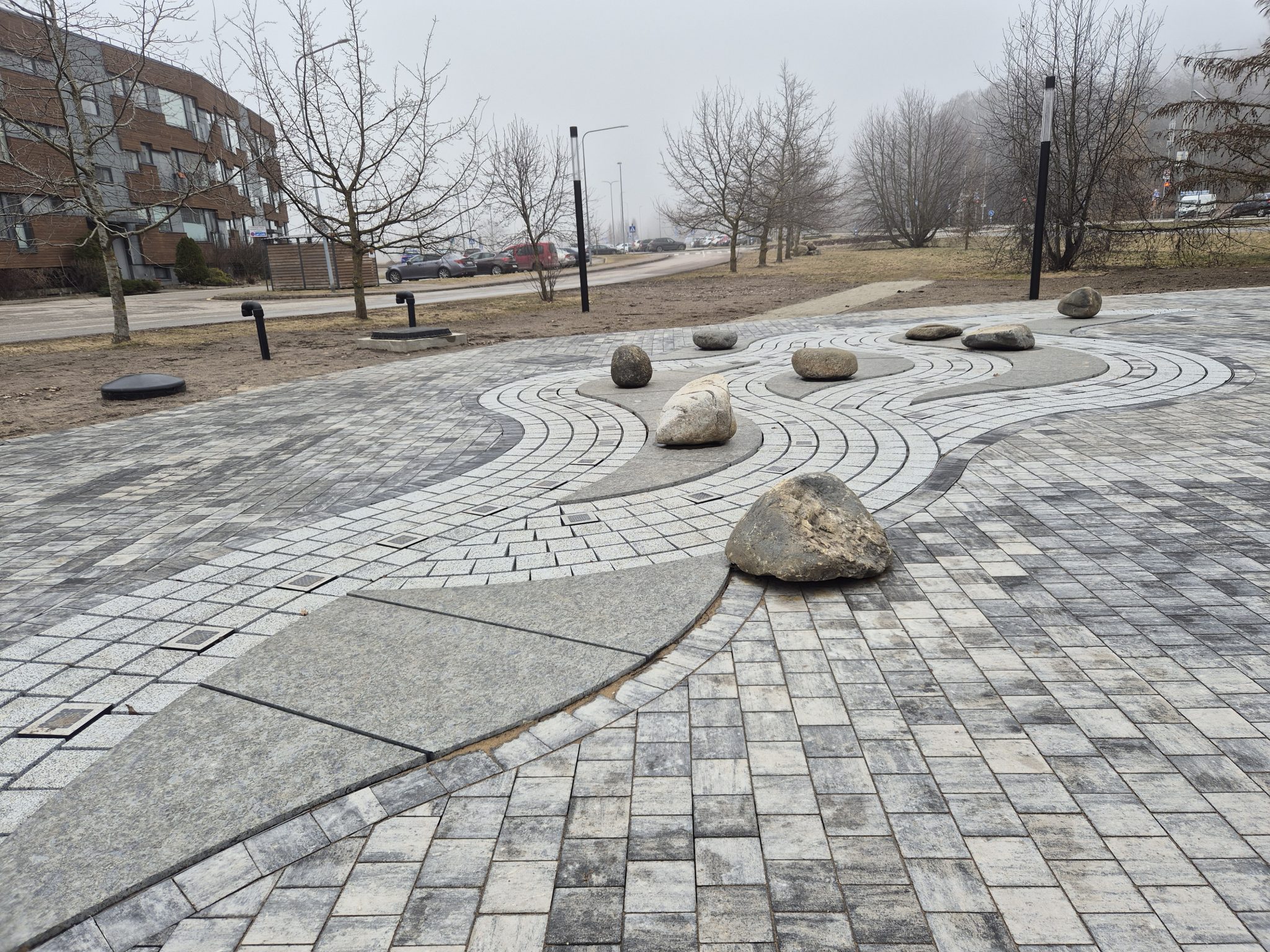
- a new modern fountain square in Viimsi, Estonia has a retention pond and a novel stormwater operated fountain,
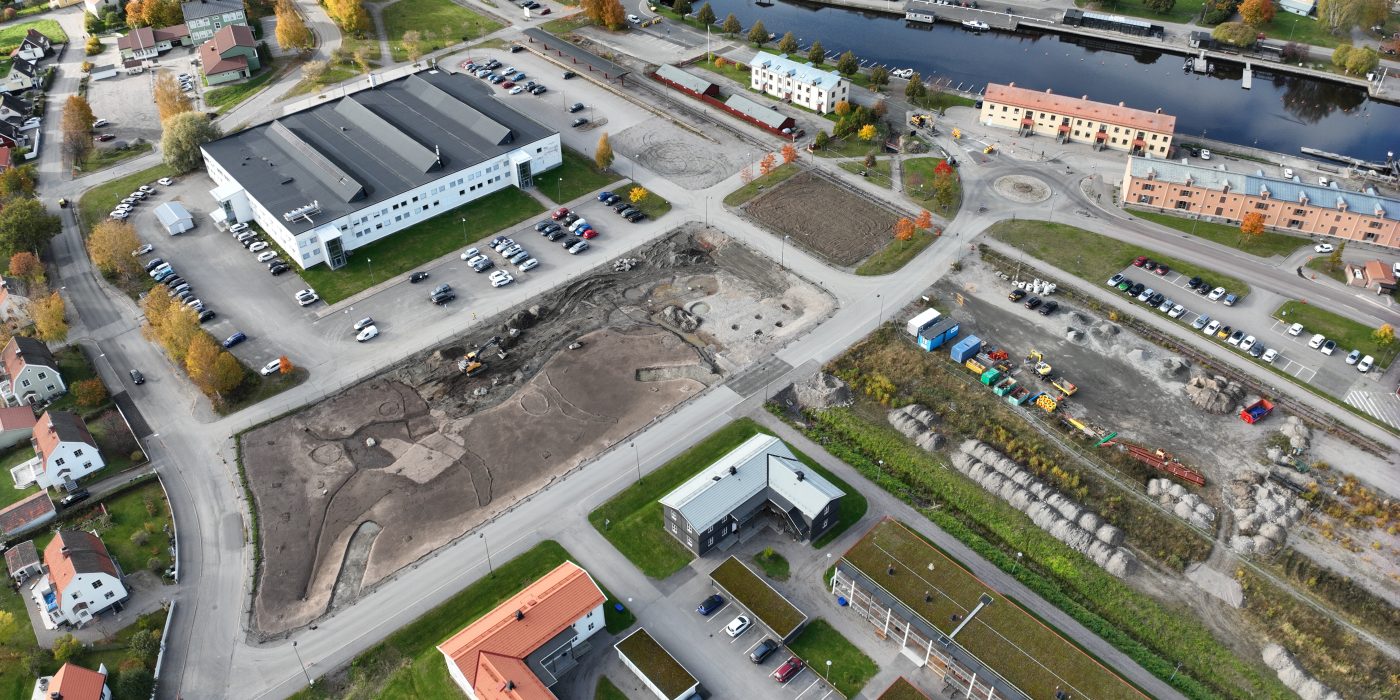
- Broberg, Söderhamn, Sweden features a combination of retention ponds and urban ditches as well as a new outlet pipeline to mitigate the risk of pipe network failure,
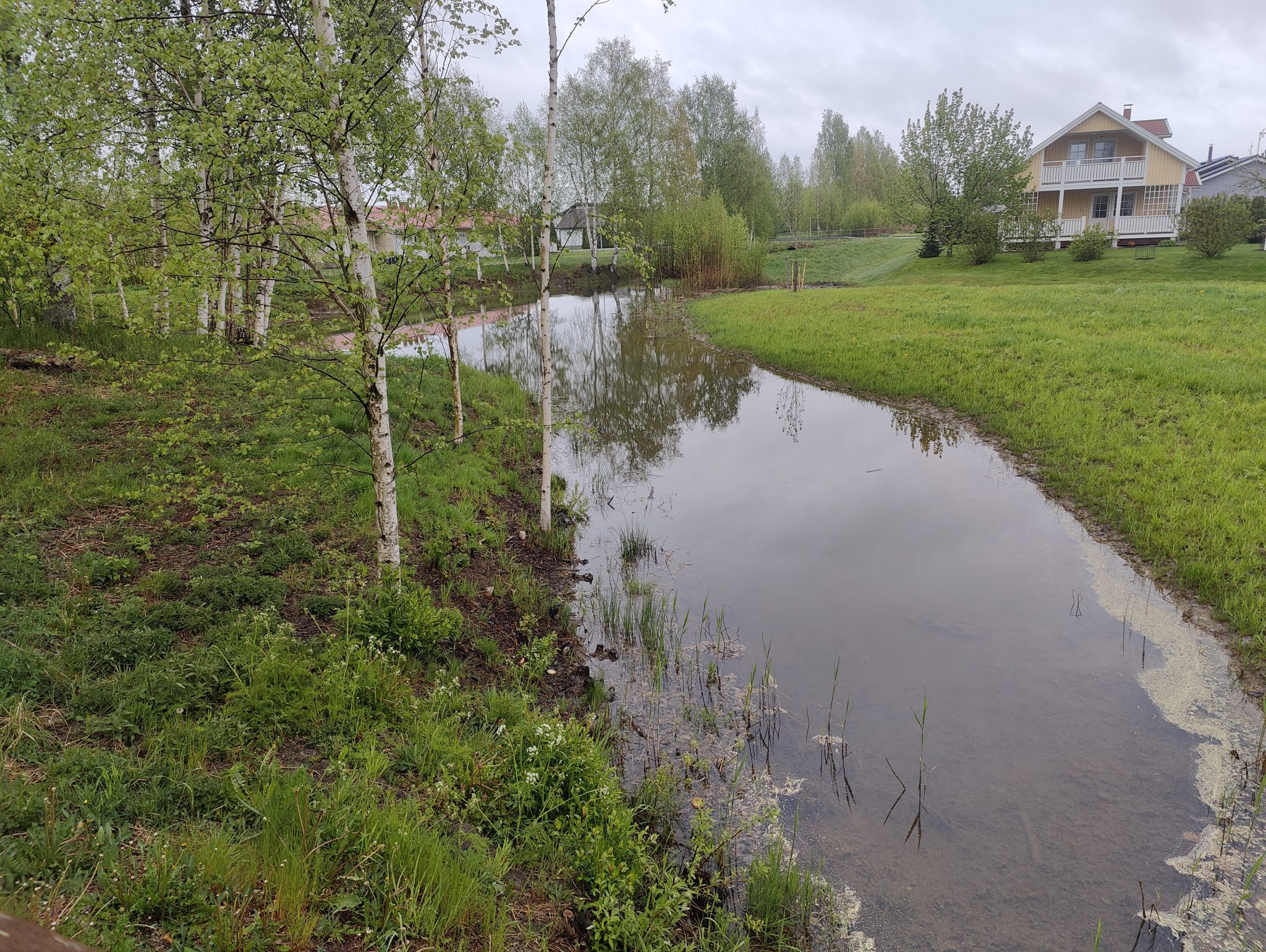
- stormwater runoff is directed to a retention pond and a natural meandering ditch in Porten, Söderhamn, Sweden, and
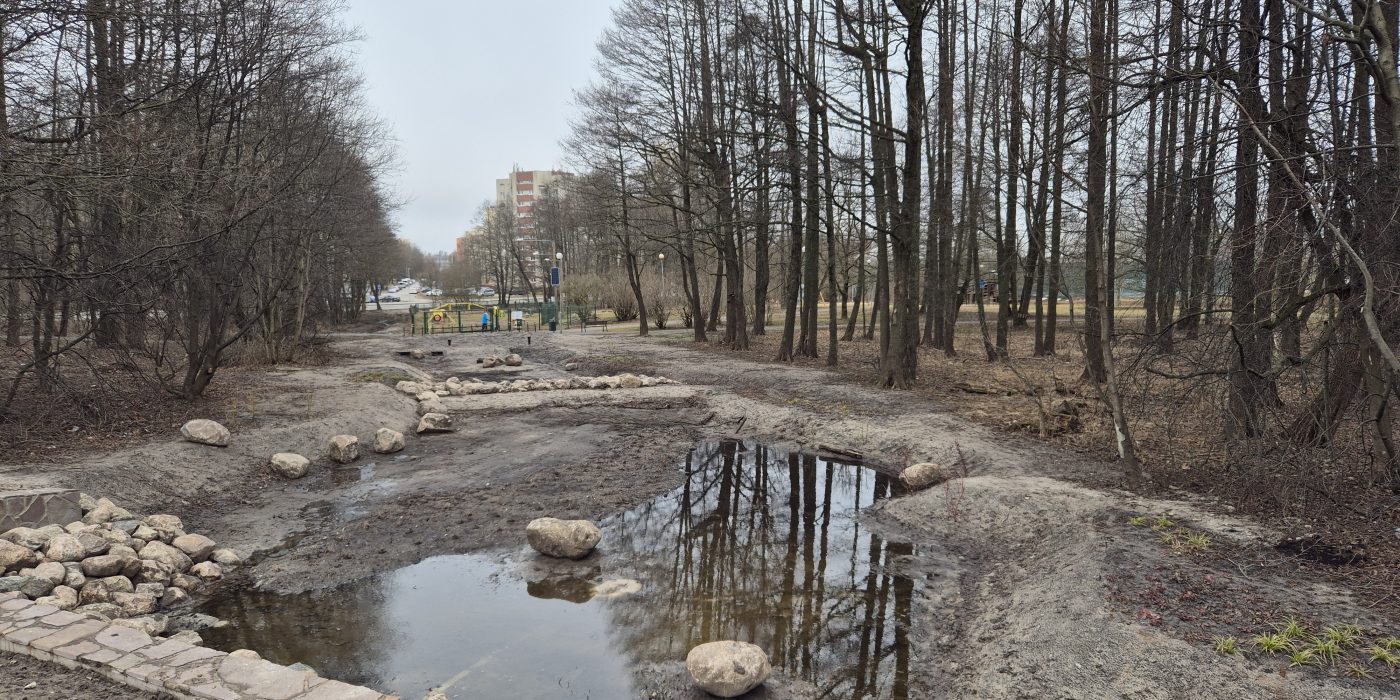
- in Tallinn, Estonia, stormwater is partially redirected to a park for treatment with vortex-type sand and oil separators, retention ponds and soil filters,
- meandering of the watercourse and the creation of sedimentation floodplains and ponds are the focus in Riga, Latvia.
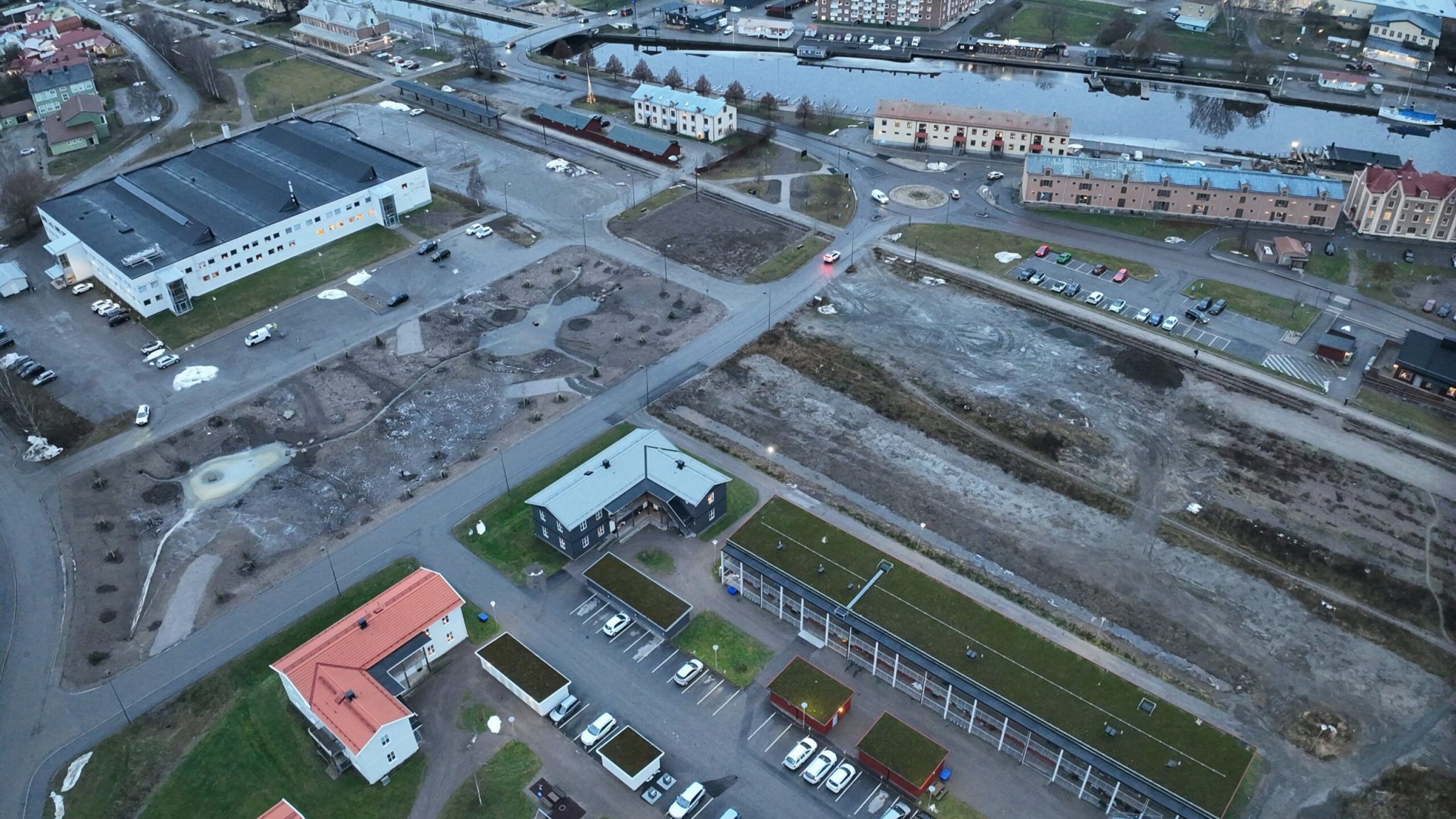
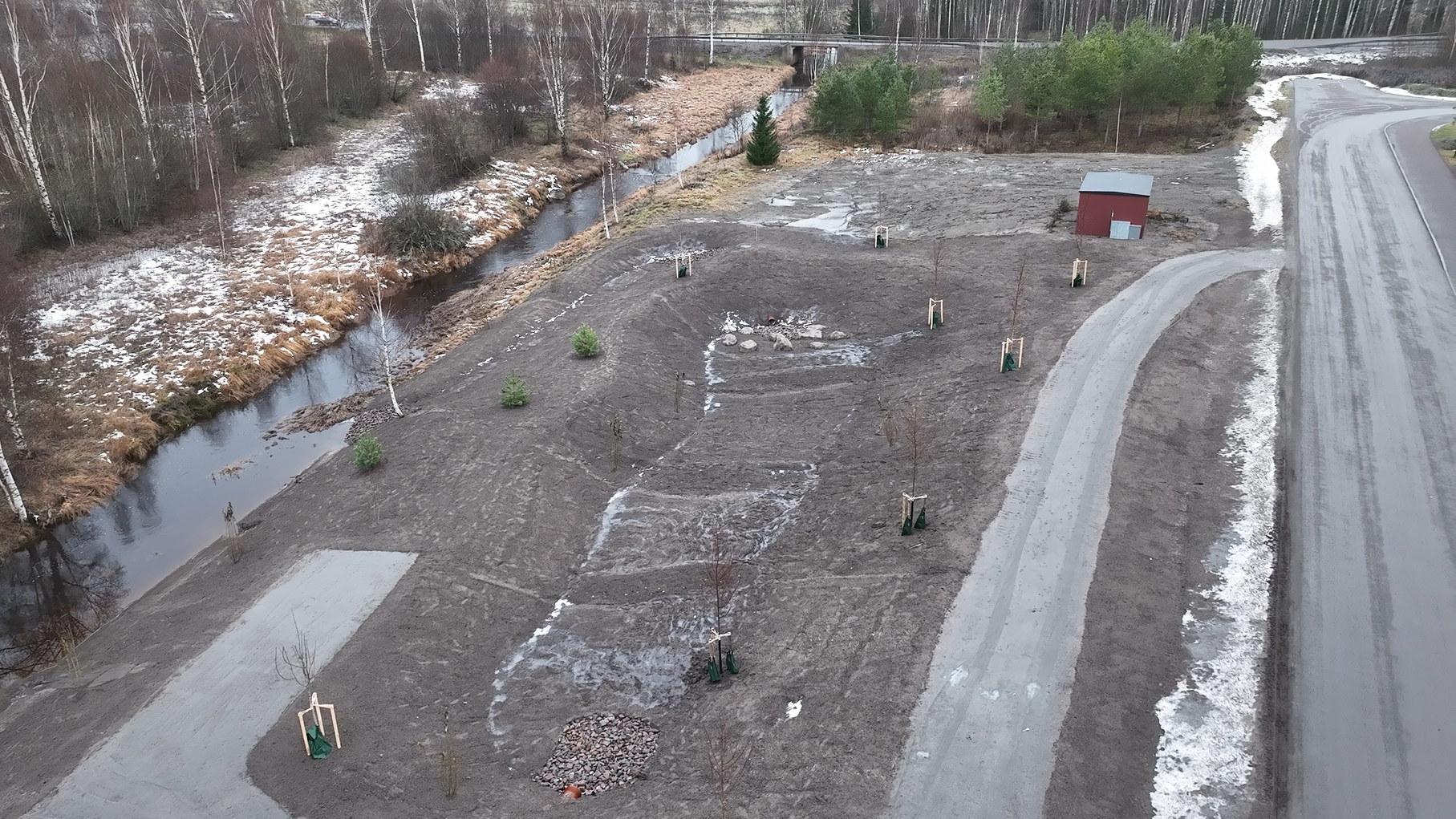
As both Pori solutions were completed by the end of 2024, comprehensive results on the solutions’ efficiency in treating and managing stormwater have been gained. The parking area solution has demonstrated very high efficiency in stormwater management, retaining over 90% of incoming stormwater as well as achieving an overall reduction of harmful substances and nutrients of approximately 98–100% in terms of water quality. The wetland solution has showed mixed but generally positive effectiveness – it was particularly successful in reducing TSS and phosphorus, and some reductions in metals were also observed despite the challenging site conditions.
The rest of the solutions were completed by the end of 2025 and spring of 2026, with many of them experiencing delays in design, procurement and construction phases. As such, gathering and analysing monitoring data is still ongoing, and results are still yet to be determined.
Complex Solutions Faced Complex Challenges
Several challenges emerged throughout the solutions’ implementation. Many of them experienced delays due to the need to redesign the solution, complications related to procurement, permits, seasonal constraints, or unexpected technical conflicts. Some of the designs had to be simplified to stay in budget as the complexity and costs of the solutions were often underestimated. In several cases, limited experience with NBSs among authorities, construction companies and designers further slowed progress. These were managed primarily through adaptive and flexible approaches, such as phased implementation, allowing progress despite budget and technical constraints. Projects adjusted designs during implementation, scaled down or phased solutions to match budgets, and secured additional funding where needed.
The key recommendations are clear: continue fostering strong collaboration and adaptive implementation approaches, while improving early planning, design detail, and procurement practices. Investing more in site investigation, modelling and realistic budgeting as well as ensuring clear communication and coordination throughout are vital. At the same time, it is important to avoid rushing design phases, underestimating complexity, or relying on incomplete data. Overall, the experiences highlight the importance of flexibility, strong collaboration between municipalities, technical partners and contractors, as well as continuous learning when implementing complex NBSs.
Sharing Knowledge and Lessons Learned
Several international events were held throughout the entire process to reach different stakeholders in the four countries and increase awareness. Altogether, the events reached over 200 participants, from various municipalities, environmental organisations, infrastructure providers and design companies, among many others. Positive feedback was received, and the events increased NBS knowledge and learning among the participants, their multidimensional benefits and different ways of incorporating digital solutions into the solutions.
Results and experiences were also communicated for example through articles, press releases and videos. In addition to the implementation of the solutions themselves, communication is key in promoting wider adaptation of similar solutions, sharing best practices and helping others to avoid similar pitfalls. These experiences are collected into an open access manual of solutions.
As some delays in the process were due to limited NBS expertise, it is especially important to increase knowledge on the purpose of the solutions, how they are being built and why they are being built the way that they are. NBS expertise is needed in a multidisciplinary fashion as their incorporation to built environments includes various sectors and department, such as infrastructure, traffic, landscaping and stormwater.
Future Outlook
Some of the NBSs have already proved to be effective in reducing flood risk, improving water quality, and delivering wider benefits such as enhanced urban spaces, biodiversity, and public awareness. More information on the solutions’ long-term effectiveness will be gained during the following years as well as experience on the ease of maintenance. The lessons learned and experiences gained so far will hopefully contribute to improving possible future NBS implementations.
Similar solutions have already been considered in some of the participating municipalities. For example, the parking area solution has served as an inspiration for other stormwater management projects in Pori and the solution in Tallinn represents the largest NBS stormwater management initiative of its kind in Estonia – if the solution works as planned, it is hoped that Tallinn and other cities will follow example and implement their own similar systems.
Sources:
Kõiv, K., Annus, I., Kändler, N., Truu, M., Kaur, K., & Suits, K. (2024). Smart Nature-Based Solutions for Stormwater Management in Urban Areas—An Analysis of Pilot Cases. Engineering Proceedings, 69(1), 18. https://doi.org/10.3390/engproc2024069018

The article was written as part of the MUSTBE project which is co-financed by the Interreg Central Baltic Programme. The MUSTBE project developed seven nature-based stormwater pilot solutions in four Central Baltic countries with the aim of improving stormwater treatment and management by combining nature-based stormwater solutions with digital solutions.