Baltic Sea e-Nav Project Concludes in Rostock, Paving the Way for the Future of E-Navigation
The Baltic Sea e-Nav project, funded by the Interreg Baltic Sea Region programme, concluded with a final partner meeting and closing conference in Rostock, Germany, from 30 September to 1 October 2026. Hosted by the German Federal Maritime and Hydrographic Agency (BSH), the event brought together project partners and stakeholders to reflect on the project's achievements, key milestones and lasting impact on maritime navigation in the Baltic Sea region.
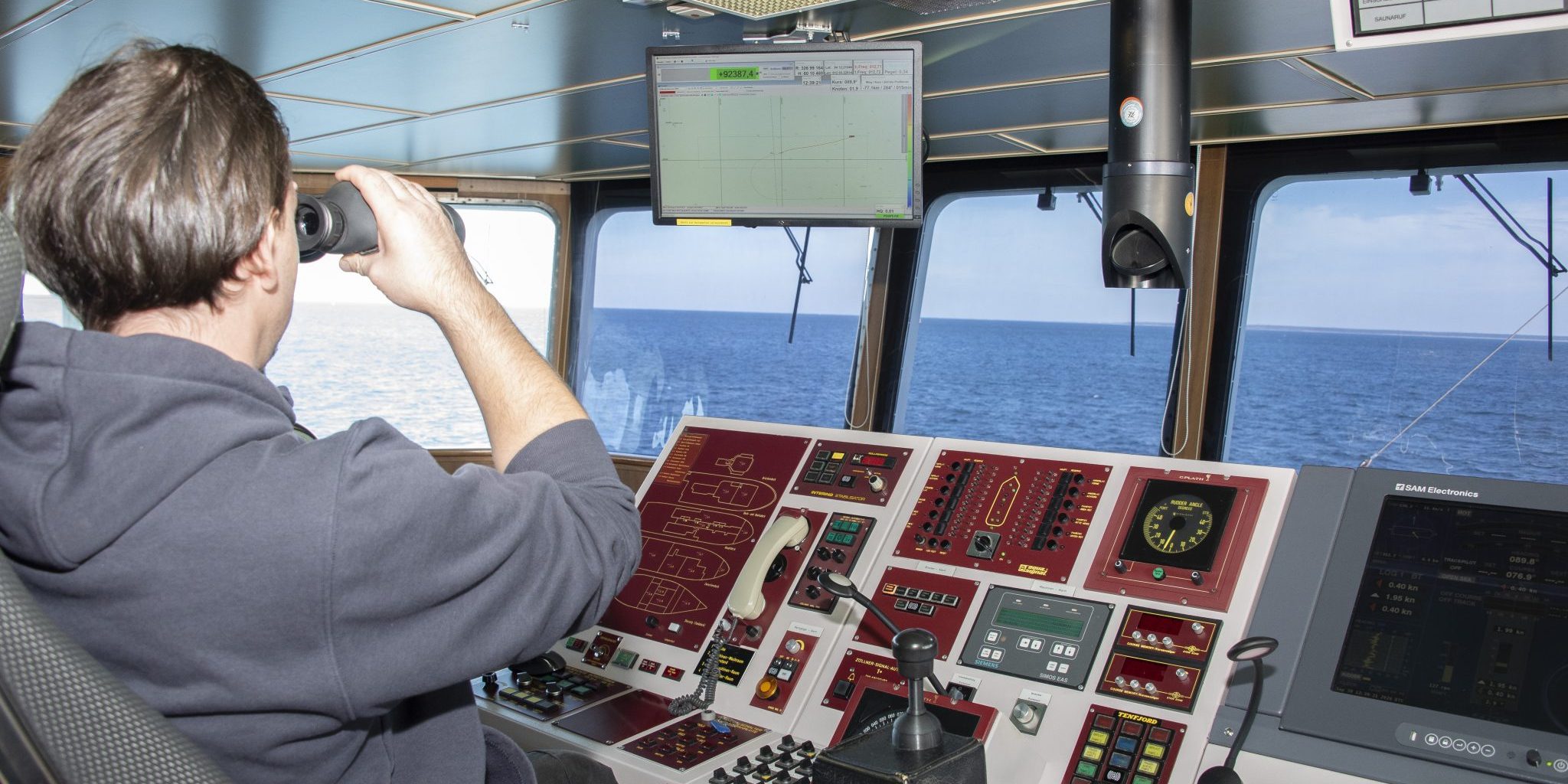
A central focus of the discussions was the development and implementation of the S-100 framework, which provides the foundation for a new generation of digital navigation services. The project has contributed to advancing several essential S-100 product specifications, including S-101 Electronic Navigational Charts (ENC), S-102 Bathymetric Surface, S-104 Water Level Information and S-111 Surface Currents.
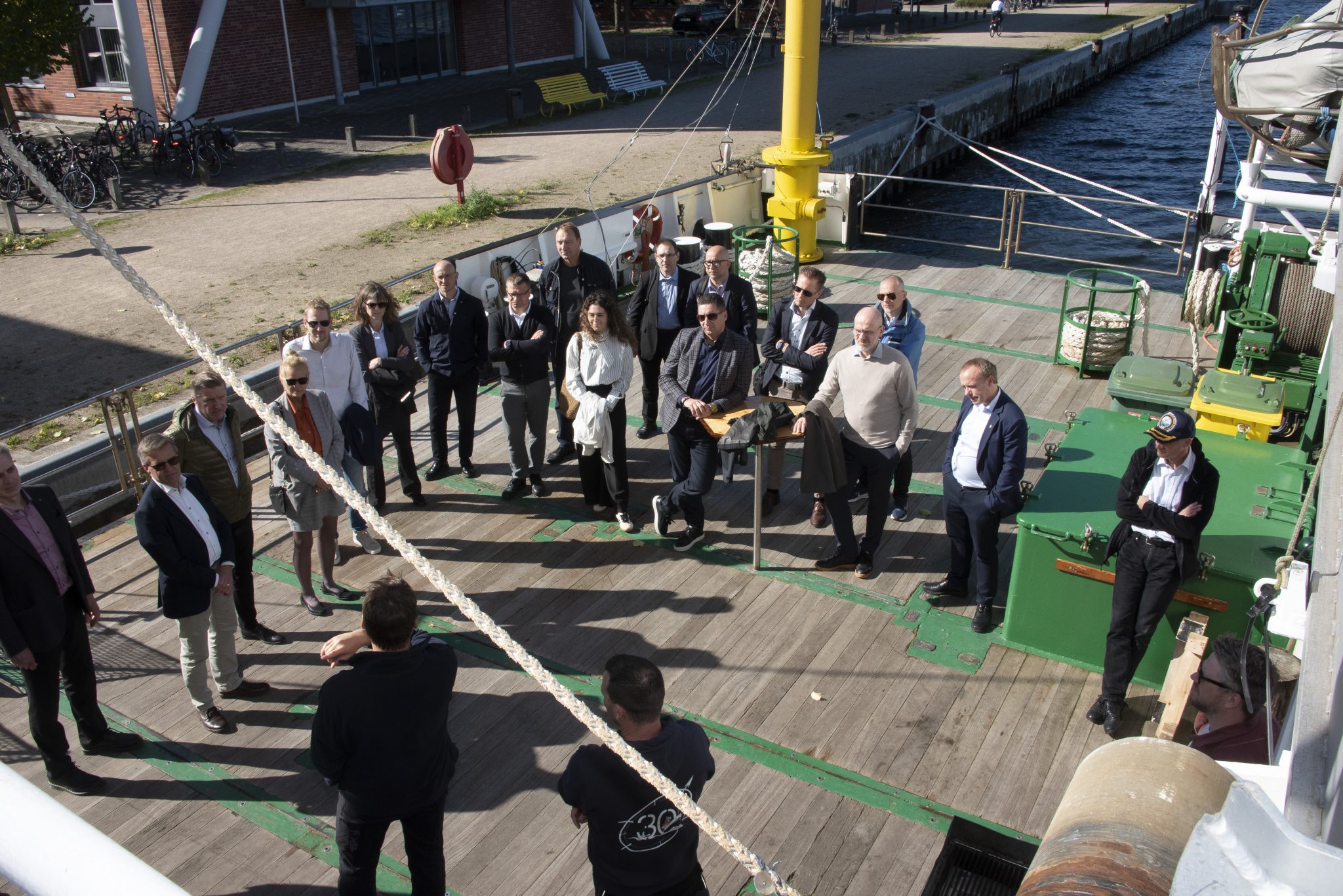
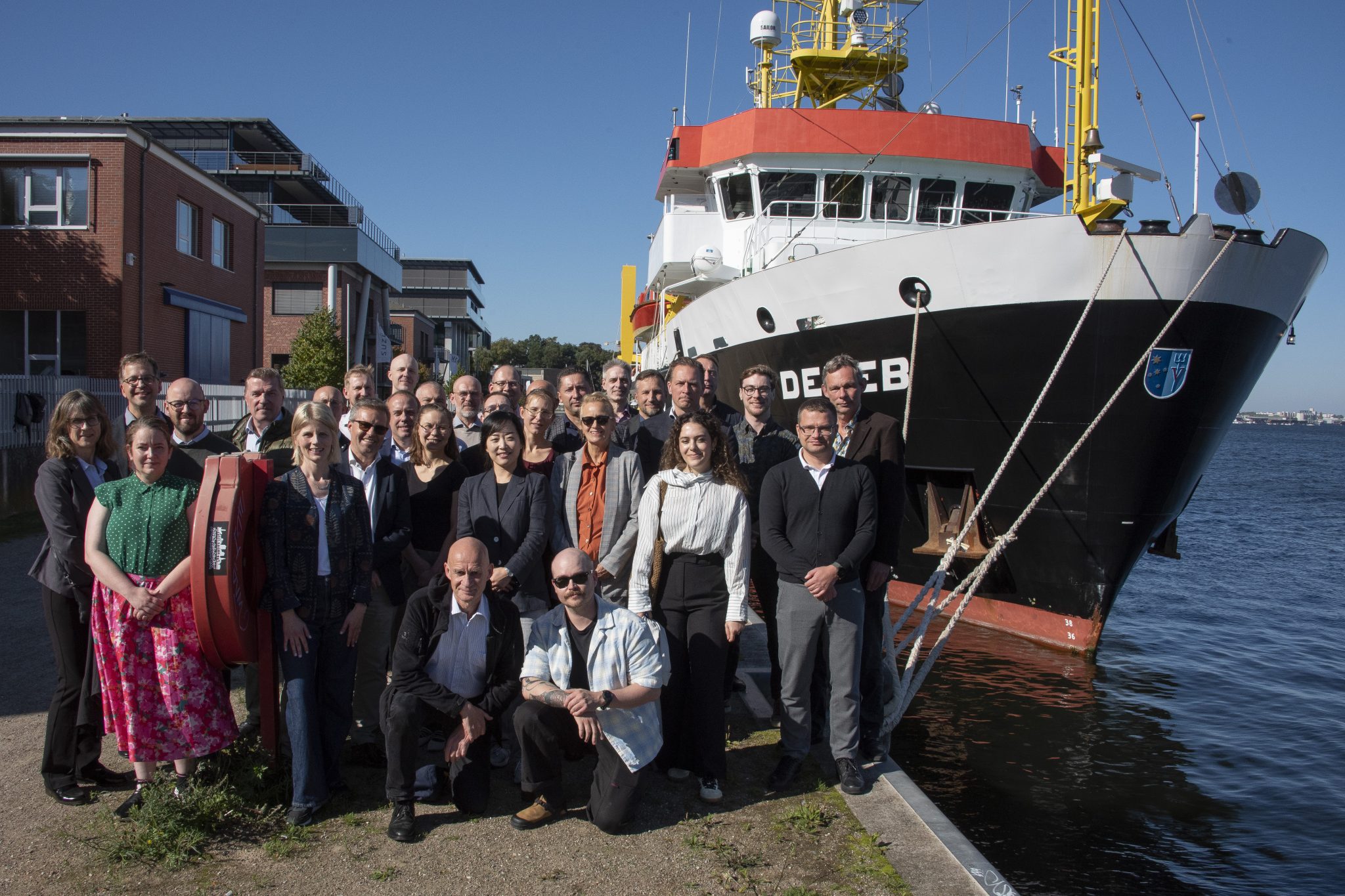
One of the highlights of the event was a live sea trial aboard BSH's research vessel Deneb. Selected project partners had the opportunity to observe the new S-100 base package in operation while navigating through the harbour area of Rostock, demonstrating how the project's developments can support future maritime navigation in practice.
SAMK Expertise Supporting the Development of E-Navigation
Satakunta University of Applied Sciences (SAMK) has contributed to the Baltic Sea e-Nav project through the expertise of its Maritime Logistics Research Center.
Antti Värre and Mona Elo, who have been involved in the project since its launch in 2023, participated in the closing event in Rostock. Their work has focused on applying SAMK's expertise in full-mission bridge simulation, piloting and project communication, supporting the development and practical evaluation of next-generation navigation solutions.
SAMK was also represented by Marko Löytökorpi, who attended the final advisory board meeting and closing conference on 1 October.
Building a Foundation for Future Maritime Navigation
While the Baltic Sea e-Nav project has reached its conclusion, its results will continue to support the transition towards more integrated, accurate and digitally advanced maritime navigation.
The development of the S-100 framework represents an important step towards improved access to navigational information, enhanced situational awareness and more efficient maritime operations.
The achievements of the Baltic Sea e-Nav project provide a valuable foundation for further development and adoption of S-100-based navigation services, both in the Baltic Sea region and beyond.